2026 Best Induction Downlight Options for Global Buyers?
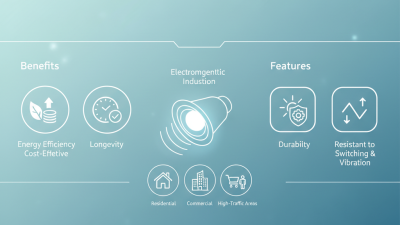
In recent years, the demand for efficient and stylish lighting options has surged. Among these, "Induction Downlight" fixtures stand out for their remarkable energy efficiency and long lifespan. This technology, known for its ability to reduce electricity consumption, appeals to both residential and commercial buyers.
As global buyers seek the best options in 2026, understanding the features of induction downlights becomes essential. These lights not only provide bright illumination but also enhance the aesthetic of any space. However, with so many choices available, selecting the right product can be challenging. There are various factors to consider, including brightness levels, color temperature, and installation requirements.
While induction downlights offer significant advantages, they are not without limitations. For instance, some users find them more expensive upfront compared to traditional lighting. Moreover, the market is flooded with brands, each claiming superiority. This raises questions about the reliability of certain products. Thus, careful research is necessary to navigate these options effectively. Buyers must weigh their priorities to make informed choices.
2026 Key Features to Consider in Induction Downlights
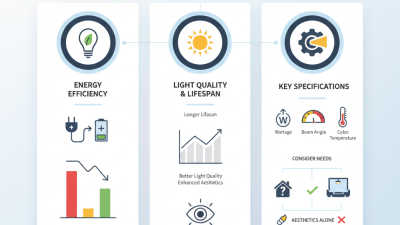
When looking for the best induction downlights, understanding key features is crucial. Brightness is a significant factor. Opt for adjustable lumens to meet different needs. A range of brightness enhances ambiance, making the space versatile for various activities.
Tips: Always check the color rendering index (CRI). A high CRI above 90 ensures colors appear natural and vibrant.
Energy efficiency is another vital consideration. Induction downlights consume less power. This translates to lower energy bills over time. Look for models that provide long lifespans, reducing the frequency of replacements.
Tips: Consider installation methods too. Some require professional help, while others are user-friendly. Evaluate your comfort level before deciding.
Reflecting on your specific needs is important; not every downlight suits every space. Assess the layout and purpose of each room carefully. Balancing aesthetics and functionality can sometimes be challenging but rewarding.
Top Induction Downlight Brands for Global Buyers in 2026
When selecting induction downlights, buyers focus on brand reliability and performance. Leading brands in 2026 offer designs that integrate seamlessly into various décors. They prioritize energy efficiency without sacrificing brightness. Several options provide up to 80% energy savings compared to traditional lighting.
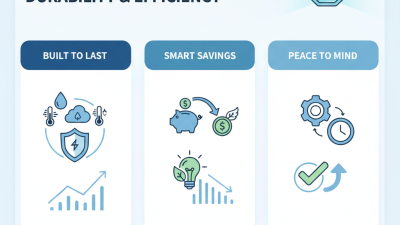
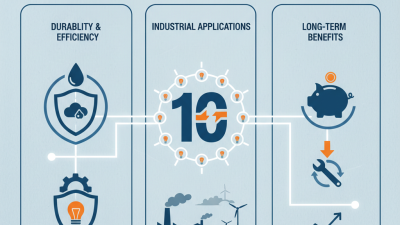
Quality matters. Many reputable brands invest in durable materials and innovative technology. Each product often features a lifespan of over 25,000 hours. This longevity is crucial for reducing replacements and maintenance costs. However, some models do have a higher initial price, which might deter budget-conscious buyers.
User feedback has shaped product development. Many global buyers emphasize the importance of adjustable color temperatures. This feature allows for creating different atmospheres in a space. Yet, it’s essential to consider installation challenges. Some products might require professional assistance, limiting their accessibility. Overall, navigating the options can be complex, but the effort often leads to satisfying choices.
Comparative Analysis of Energy Efficiency in Induction Downlights
Energy efficiency is a key factor when choosing induction downlights. According to recent studies, induction downlights can achieve up to 90% energy efficiency. This significant reduction in energy consumption not only helps lower utility bills but also reduces carbon footprints. Reports from the U.S. Department of Energy indicate that these lights have a longer lifespan compared to traditional options, lasting up to 100,000 hours. This longevity further enhances their sustainability profile.
However, it is essential to consider the initial installation costs. Though induction downlights are energy-efficient, their upfront price can be higher than traditional lighting. The return on investment typically takes several years. Also, the effectiveness of induction downlights can vary based on usage patterns and environmental conditions. Some users report that they require ample time to reach peak brightness. This aspect raises questions about their practicality for every setting.
Recent comparative analyses show a trend toward energy-efficient lighting alternatives. Induction downlights are a promising option but they are not without challenges. The balance between cost, efficiency, and usability remains a topic of discussion among industry professionals. Careful consideration of all factors is needed to make informed decisions.
User Feedback: Real Experiences with Induction Downlights
User feedback is crucial in understanding induction downlights' real-world performance. Buyers often share experiences about luminosity, efficiency, and installation challenges. Many users mention how these lights enhance room aesthetics with even color distribution. However, not every review is glowing. Some have faced issues with flickering or installation complexity.
Several users point out that while energy savings are impressive, the upfront cost can be daunting. For some, this investment is justified by the long lifespan and reduced electricity bills. Yet, others feel unsure if this technology is worth it. Appropriate brightness levels can sometimes be tricky to gauge before purchase. Feedback shows mixed opinions about compatibility with dimmer switches, frustrating some users.
Installation experiences also vary widely. Certain buyers found the process straightforward, while others struggled with wiring. The need for professional help has been a common theme. Overall, real experiences with induction downlights shed light on the practicalities of these products. They highlight the importance of making informed choices based on genuine user feedback rather than just marketing claims.
Future Trends in Induction Downlight Technology for 2026
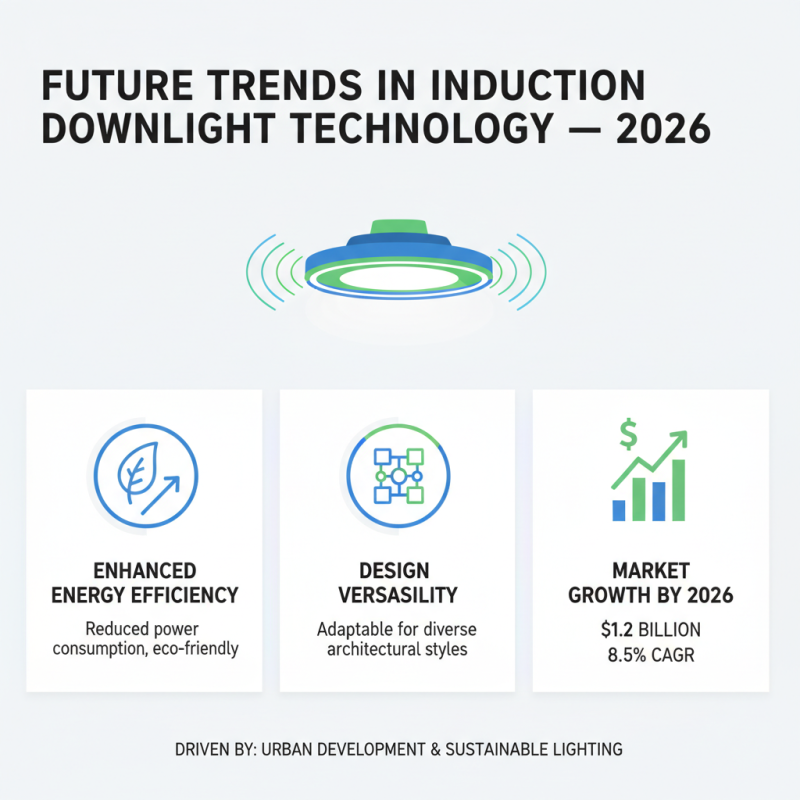
The induction downlight market is evolving rapidly. In 2026, we will likely see enhancements in energy efficiency and design versatility. A recent industry report indicates that the global market for induction downlights is expected to reach $1.2 billion by 2026, growing at a CAGR of 8.5%. This growth can be attributed to a rise in urban development and the demand for sustainable lighting solutions.
Emerging technologies are transforming downlight designs, focusing on smart integration. Predictions suggest that smart induction downlights, which connect to IoT devices, will become mainstream. However, challenges remain. Issues with interoperability between manufacturers’ devices could hinder widespread adoption. Additionally, the need for skilled installation and maintenance might limit accessibility for some consumers.
Availability of customization options is increasing. This trend allows architects and interior designers to create tailored lighting schemes that fit specific needs. However, the cost of custom solutions may deter some buyers. As the market matures, balancing affordability with innovative features will be crucial for success.

 +86 18968869621
 CONTACT NUMBER