inquiry
Leave Your Message

2026 Top Waterproof Downlight Types for Global Buyers

Choosing the right Waterproof Downlight is more complex than comparing brightness and price. Global buyers must consider moisture exposure, ceiling structure, wiring conditions, climate, and installation practices. A light used above a shower faces different risks from one installed beneath a covered balcony. Small details matter.

This guide examines recessed, surface-mounted, adjustable, and smart waterproof downlight types for international projects. It considers IP ratings, housing materials, lens quality, heat management, beam angles, color temperature, and driver performance. Stainless steel trims may suit coastal environments, while powder-coated aluminum can support lighter commercial installations. Warm white light often creates a comfortable bathroom atmosphere. Neutral white may improve visibility in kitchens, retail spaces, and hospitality areas.

Real projects often reveal the weaknesses of product descriptions. A high IP rating does not automatically guarantee reliable performance. Poor sealing, unsuitable connectors, or trapped heat can shorten service life. Buyers should request test reports, installation instructions, warranty terms, and compatible driver information from established suppliers. Local electricians should also confirm whether the product fits regional voltage systems and applicable safety requirements.

There is no universal best choice.

Some recommendations remain uncertain without site details. Climate, ceiling material, maintenance access, and user expectations can change the final decision. This overview offers a practical comparison, but professional verification remains essential before ordering large quantities. Reliable lighting decisions combine manufacturer evidence, installer experience, and careful attention to real operating conditions.
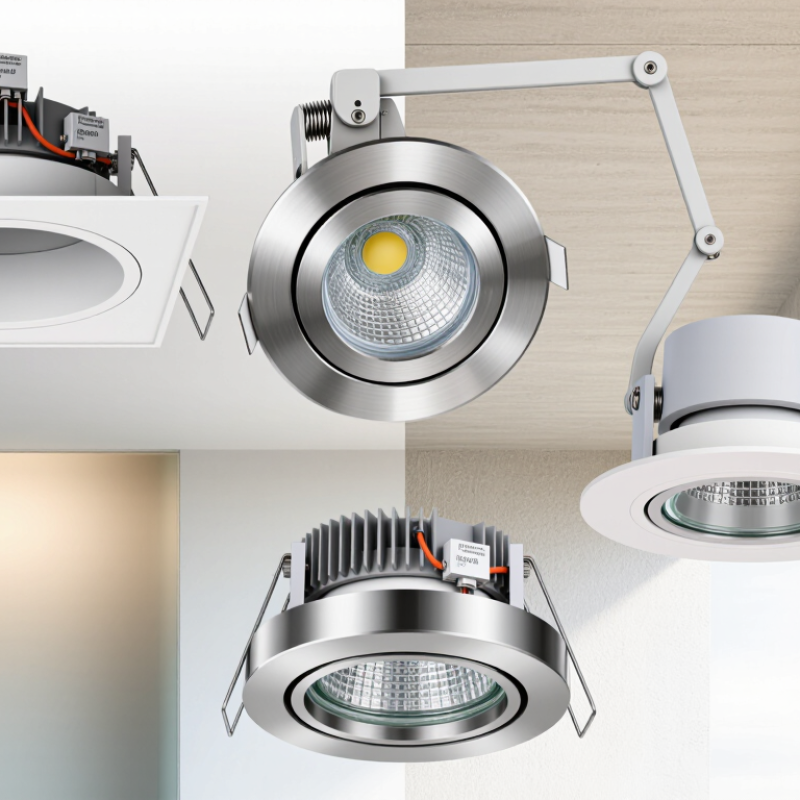
2026 Top Waterproof Downlight Types for Global Buyers

What Waterproof Downlights Are and Why They Matter in 2026

What Waterproof Downlights Are and Why They Matter in 2026

Waterproof downlights are recessed LED fixtures designed to resist moisture, dust, and water entry. Their protection level is measured under IEC 60529. An IP65 fitting is dust-tight and resists water jets, while IP67 can tolerate temporary immersion. These ratings are not interchangeable. A ceiling light beside a shower needs careful specification, not attractive wording.

The need is growing. The 2024 Global Status Report for Buildings and Construction reports that buildings consumed 32% of global energy and produced 34% of global carbon emissions in 2022. Efficient LED downlights can reduce lighting demand, especially in hotels, homes, factories, and outdoor covered areas. However, efficiency depends on the driver, heat control, optical design, and installation quality. A poorly sealed fitting may fail before its claimed service life.

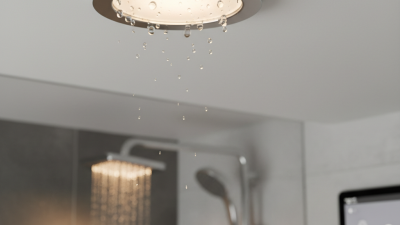
Picture a bathroom ceiling during a hot shower: vapor reaches the trim, condensation forms behind the lens, and dust settles around the cut-out. IP protection helps, but it cannot repair a weak seal or careless wiring. Buyers should request the full IP rating, rated voltage, operating temperature, lumen output, and test documentation. “Waterproof” alone is too vague. I would question any specification that hides the rating. Even experienced purchasers sometimes treat IP65 as permission for immersion, which it is not.
2026 Top Waterproof Downlight Types for Global Buyers

Waterproof downlights are recessed LED fixtures designed with sealed housings and ingress protection (IP) ratings. In 2026, buyers should select the downlight type according to the level of water exposure rather than relying on the word “waterproof” alone.

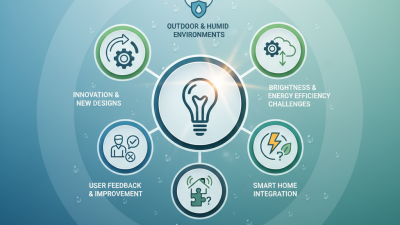
The chart compares common application types by the minimum water-protection level typically associated with their intended use. Under IEC 60529, IPX4 protects against splashing water, IPX5 against water jets, IPX7 against temporary immersion, and IPX8 against continuous immersion under conditions specified by the manufacturer. Local electrical codes and installation zones should always be checked before purchase.

Key Waterproof Ratings and Safety Standards for Global Buyers

For global buyers, waterproof downlight selection should start with the installation environment, not appearance. A bathroom ceiling above a shower faces direct spray, steam, and condensation. A covered outdoor soffit may experience rain but less pressure. IP ratings describe protection against solids and water under defined test conditions. In an IP65 rating, “6” indicates dust tightness, while “5” indicates protection against water jets. IP67 adds temporary immersion protection, but it does not automatically suit every wet location. The details matter.

Look for test evidence referencing IEC 60529, plus electrical safety documentation required in the target market. Certification marks should be verifiable, not printed decoration. Check rated voltage, insulation class, grounding method, driver enclosure, and operating temperature. A sealed fitting can still become unsafe if the driver sits in trapped moisture. Never assume the ceiling cutout is enough. Confirm clearance from insulation and combustible materials. Follow installation instructions and use a qualified installer where local rules require one.

In real projects, failures often start with mismatched seals or poor drainage. Inspect gaskets for cracks, and confirm cable entries remain sealed after installation. For coastal sites, corrosion-resistant housings deserve extra attention. IP testing is controlled, while weather exposure is messy. That difference is easy to overlook. Buyers should request datasheets, test reports, warranty terms, and replacement-part details before ordering. A higher IP number is not a complete safety decision. Recheck the rating after any modification, because one drilled hole can change the product’s protection level.

2026 Top Waterproof Downlight Types for Global Buyers - Key Waterproof Ratings and Safety Standards for Global Buyers

Downlight Type Typical Construction Common Suitable Locations Recommended Minimum IP Rating Water Exposure Covered by the Rating Key Safety and Compliance Standards Global Buyer Verification Points
Recessed Wet-Rated LED Downlight Recessed ceiling body with a sealed front trim, gasket, and protected LED module or light source. Bathrooms, shower rooms, covered outdoor soffits, sheltered entrances, and humid interior spaces. IP44 minimum
IP65 preferred for direct splash areas
IP44 protects against solid objects above 1 mm and water splashes from all directions. IP65 is dust-tight and protected against water jets. IEC 60598-1 general luminaire safety; IEC 60598-2-2 recessed luminaires; IEC 60529 ingress protection. Confirm whether the rating applies to the complete installed luminaire, not only the front trim. Check ceiling cut-out size, insulation compatibility, and installation instructions.
IP65 Fixed Recessed Downlight Fixed beam angle with a sealed bezel, diffuser, or lens designed to reduce dust and water entry. Commercial washrooms, kitchens, utility rooms, covered walkways, and semi-exposed ceilings. IP65 Dust-tight protection and protection against water jets from any direction; it is not automatically rated for immersion. IEC 60598-1; IEC 60598-2-2; IEC 60529; IEC 62471 for photobiological safety assessment where applicable. Verify the test report or declaration for the exact model. Confirm operating temperature, driver location, condensation control, and suitability for wet locations.
IP66 Recessed Downlight More robust sealing and enclosure design than IP65, often used where stronger cleaning jets or severe weather exposure may occur. Outdoor covered areas, public facilities, food-service areas, industrial interiors, and locations exposed to powerful water jets. IP66 Dust-tight and protected against powerful water jets. IP66 does not by itself certify temporary or continuous immersion. IEC 60598-1; IEC 60598-2-2; IEC 60529. Check whether the product is suitable for high-pressure cleaning. Review gasket material, corrosion resistance, cable-entry protection, and driver IP rating.
IP67 Surface-Mounted Downlight Surface housing with sealed cable entry, gasketed cover, and enclosed LED and driver compartments. Outdoor ceilings, covered terraces, damp service areas, and locations where temporary flooding is possible. IP67 Dust-tight and protected against temporary immersion in water under conditions specified by the applicable test. IEC 60598-1; applicable parts of the IEC 60598-2 series; IEC 60529. Do not assume IP67 permits permanent underwater use. Confirm immersion depth and duration stated in the test documentation and installation manual.
IP68 Surface or Recessed Downlight Fully sealed luminaire designed for continuous immersion under manufacturer-specified conditions. Specialist landscape, fountain-edge, marine-adjacent, or other applications requiring continuous immersion. IP68 Dust-tight and protected against continuous immersion, with the exact depth, pressure, and duration defined by the manufacturer. IEC 60598-1; relevant IEC 60598-2 requirements; IEC 60529. IP68 has no single universal immersion depth or duration. Obtain the specific IP68 test conditions and confirm cable, connector, driver, and mounting-system ratings.
Adjustable Waterproof Downlight Tilting or swiveling optical module enclosed by a sealed trim or protective lens. Wet-room accent lighting, covered outdoor walls or ceilings, hospitality areas, and architectural applications. IP44 minimum
IP65 for exposed splash or jet zones
Protection depends on the complete adjustable mechanism. Moving joints can create additional water-entry paths. IEC 60598-1; IEC 60598-2-2 when recessed; IEC 60529. Check the IP rating at the maximum tilt angle. Confirm that the adjustment range does not expose the LED cavity, gasket, or cable entry.
Trimless Waterproof Recessed Downlight Plaster-in or mud-in installation with a concealed bezel and a sealed optical aperture. Premium residential, hospitality, gallery, and architectural ceilings in humid or splash-prone spaces. IP44 minimum
IP65 where direct splashing is expected
Rating depends on the completed ceiling assembly, lens, gasket, and installation method, not only the LED housing. IEC 60598-1; IEC 60598-2-2; IEC 60529. Request installation details for plaster, sealant, and replacement access. Verify that the finished ceiling does not compromise the certified sealing system.
Low-Voltage Waterproof Downlight 12 V or 24 V DC luminaire supplied by a separate constant-voltage or constant-current driver, depending on design. Bathrooms, outdoor joinery, boats or marine-adjacent areas, landscape features, and extra-low-voltage installations. IP65 to IP68, according to exposure The luminaire, connectors, junction boxes, and driver may have different IP ratings; the lowest-rated component can limit system protection. IEC 60598-1; IEC 61347-1 and applicable LED controlgear requirements; IEC 60529. Verify output voltage, polarity, current type, SELV or equivalent requirements, cable length limits, voltage drop, and the separate driver's enclosure rating.
Fire-Rated Waterproof Downlight Recessed luminaire incorporating a fire-resistance system, often with an intumescent or tested ceiling-protection assembly. Multi-story residential buildings, hotels, offices, corridors, and fire-compartment ceilings. IP44 minimum
IP65 for wet or splash exposure
Water protection and fire resistance are separate properties. A high IP rating does not prove fire performance. IEC 60598-1; IEC 60598-2-2; IEC 60529; applicable local fire-resistance test requirements. Request a fire-test classification for the exact ceiling construction, rating period, insulation-contact conditions, and installation method. Do not substitute IP certification for fire certification.
Emergency Waterproof Downlight Sealed LED luminaire with an emergency battery, self-contained emergency circuit, or connection to a central emergency supply. Car parks, escape routes, public washrooms, industrial facilities, covered outdoor paths, and damp commercial areas. IP65 commonly selected for exposed areas Water and dust protection are assessed separately from emergency duration, illumination, battery, and monitoring performance. IEC 60598-1; IEC 60598-2-22 for emergency luminaires; IEC 60529. Verify emergency operating duration, battery type, charging time, test function, maintained or non-maintained operation, and local emergency-lighting rules.
Important buying note: The IP code is defined by IEC 60529. The first digit describes protection against solids and dust, while the second digit describes protection against water. An IP rating applies only to the tested configuration and installation conditions; it does not automatically confirm electrical safety, fire resistance, corrosion resistance, condensation performance, or suitability for permanent immersion.
Reference framework: IEC 60529 for ingress protection; IEC 60598-1 for general luminaire safety; IEC 60598-2-2 for recessed luminaires; IEC 60598-2-22 for emergency luminaires; IEC 61347 series for lamp and LED controlgear; and IEC 62471 for photobiological safety assessment. National requirements may add regional certification, wiring, energy-efficiency, EMC, or fire-performance requirements.

Main Types of Waterproof Downlights and Their Best Applications

2026 Top Waterproof Downlight Types for Global Buyers

Main Types of Waterproof Downlights and Their Best Applications

Waterproof downlights are not one product category. Their enclosure rating should match water exposure, cleaning routines, and installation depth.

IP44 suits splash-prone interiors, such as bathroom ceilings outside direct spray.

IP65 resists water jets and fits covered patios, eaves, and commercial washrooms.

IP67 handles temporary immersion, making it suitable for ground lights or flood-prone landscape edges.

IP68 supports sustained immersion, but permitted depth and time must come from the manufacturer.

Application should guide the housing, not only the lumen number. Recessed IP65 fittings keep a low visual profile in showers and spas. Surface-mounted sealed fittings are easier to inspect in tunnels, balconies, and service corridors. Coastal projects need corrosion-resistant fasteners and tested coatings.

The U.S. Department of Energy reports that LED products can use at least 75% less energy than incandescent lighting. This can reduce heat and maintenance pressure where access equipment is expensive. However, efficiency varies with drivers, controls, and operating temperatures.

Demand is moving toward efficient, connected lighting. Fortune Business Insights’ 2025 LED Lighting Market analysis forecasts continued global expansion through 2032, exceeding 7% annual growth. That figure covers wider LED lighting, not waterproof downlights alone.

The limitation matters. Buyers should request photometric files, ingress-test evidence, surge protection details, and replacement plans. A recurring field lesson is uncomfortable: some projects over-specify IP68, then under-specify drainage. It looks safe on paper. Water can still collect around the fitting. Check local electrical rules, ceiling construction, and cleaning chemicals before approving a 2026 specification.

How to Compare Materials, Light Performance, and Installation Methods

For 2026, global buyers should compare waterproof downlights by construction, optical output, and installation conditions. IEC 60529 defines IP65 as protection against dust and water jets. IP67 also supports temporary immersion. However, a higher IP rating is not automatically better. Poor drainage can still trap condensation behind the trim.

Aluminum housings dissipate heat effectively, while polycarbonate trims resist corrosion and impact. Stainless steel suits coastal projects, but its finish and sealing quality require inspection. The U.S. Department of Energy reports that LED lighting can use at least 75% less energy than incandescent lighting and last up to 25 times longer. Do not judge performance by lumens alone. Check efficacy, color rendering index, beam angle, glare control, and color temperature. A 90-plus CRI model may improve bathroom and hospitality finishes, yet excessive brightness can create harsh reflections. This is often overlooked.

Tips: Match the cutout diameter before ordering. Confirm ceiling thickness, driver location, gasket design, and cable protection. Recessed spring-clip models suit new ceilings, while surface-mounted units simplify concrete retrofits. Ask for LM-80 and TM-21 data when long operating life matters. The U.S. DOE uses these methods to evaluate LED lumen maintenance. In practice, installation errors remain common. A sealed fitting cannot compensate for an unsuitable junction box or missing drainage path. Test one sample under real moisture and ceiling conditions before approving a large shipment.

Choosing Waterproof Downlights for Different Climates and Projects

2026 Top Waterproof Downlight Types for Global Buyers

Choosing waterproof downlights starts with climate, not appearance. The IEA’s Energy Efficiency 2023 report estimates that lighting uses about 15% of global electricity. Efficient, well-sealed fixtures matter in large projects. For bathrooms, covered walkways, and humid hotels, IP44 or IP54 may be adequate when direct water exposure is limited. Wet outdoor ceilings need at least IP65, which resists dust and water jets under IEC 60529. IP67 suits areas exposed to temporary immersion, such as pool edges and low courtyards.

Climate changes the specification. Coastal projects need corrosion-resistant housings, sealed terminals, and stainless fasteners. Salt air can damage ordinary coatings surprisingly fast. Cold regions require drivers and gaskets tested for low temperatures, not just a high IP rating. In tropical climates, heat dissipation is equally important. A sealed downlight can trap heat above the ceiling and shorten its service life. This is often overlooked.

Project function also guides the type. Fixed recessed downlights work well in uniform corridors, while adjustable models help illuminate sloped ceilings or display walls. Surface-mounted waterproof fixtures simplify installation where concrete ceilings prevent deep recessing. The U.S. Department of Energy reports that LED lighting can use at least 75% less energy than incandescent lighting and last much longer. Still, energy data alone is not enough. I would not specify IP67 everywhere. It can add cost without improving a dry indoor project. One mistake remains common: treating “waterproof” as permanent protection. Gaskets age, drainage fails, and installation quality varies.