Best Led High Bay Light for Energy Efficiency and Brightness?
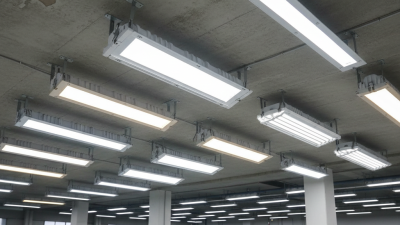
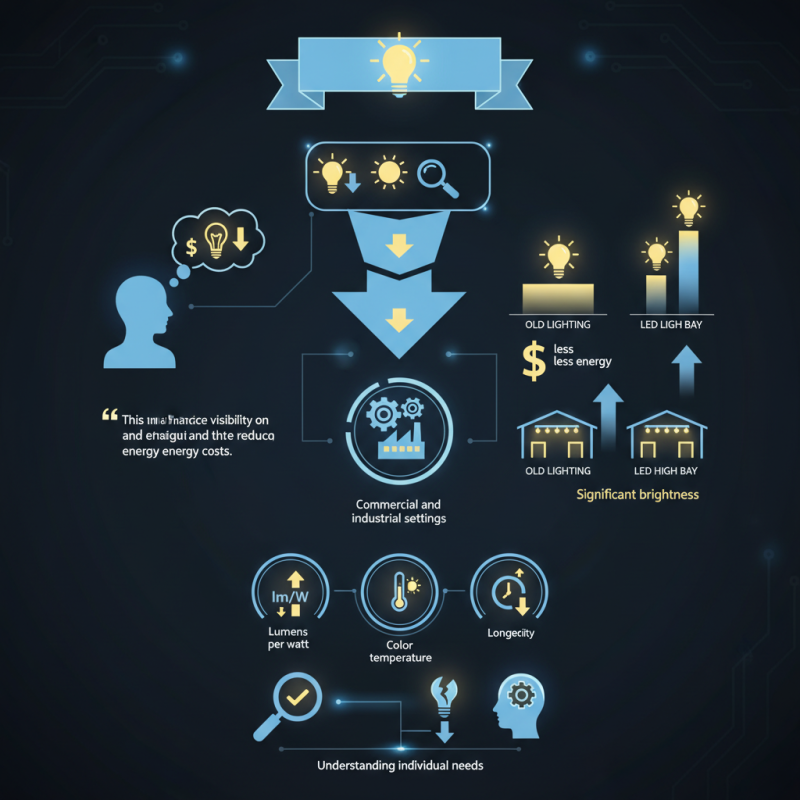
In the quest for energy efficiency and better illumination, the choice of lighting solutions has become crucial. "Led High Bay Lights" have emerged as a trusted option in commercial and industrial settings. Industry expert John Smith, a renowned lighting consultant, once stated, "The right LED High Bay Light not only enhances visibility but also reduces energy costs significantly." His insight reflects the transformative impact of these lights.
As businesses strive to strike a balance between cost and performance, LED High Bay Lights offer a compelling solution. These lights operate at high efficacy, delivering significant brightness for expansive areas while consuming less energy. For instance, warehouses and manufacturing plants benefit immensely from their capability to illuminate vast spaces without the hefty electricity bills.
Yet, not all LED High Bay Lights are created equal. Decisions should consider factors like lumens per watt, color temperature, and longevity. This complexity requires careful analysis of options. While many lights promise high performance, a few may fall short of expectations. Thus, understanding individual needs is essential in selecting the best solution.
Best LED High Bay Light Features for Energy Efficiency
When selecting LED high bay lights, energy efficiency and brightness are crucial factors. The best lights in this category often deliver 120 lumens per watt or more. According to the U.S. Department of Energy, using LED lights can reduce energy consumption by over 50% compared to traditional fixtures. This significant reduction translates into lower utility bills for large industrial or commercial spaces.
One must consider features like adjustable lumens and color temperature. Some high bay lights offer a color temperature range from 3000K to 5000K. This flexibility helps tailor lighting to specific tasks. Moreover, dimmable options can further enhance energy savings. However, not all products maximize these benefits, and users should investigate performance ratings before purchase.
Reliability is another important consideration. Research from the Lighting Research Center indicates that high-quality LED lights can last 50,000 hours or more. Yet, the market is flooded with varying quality products. Users must navigate this landscape carefully. Look for certifications like DLC for assurance. The need for well-researched choices is evident, as some users report early failures with cheaper models. Making informed decisions is vital for long-term satisfaction and efficiency.
Best LED High Bay Light Features for Energy Efficiency
This chart illustrates the energy efficiency ratings and brightness levels of various LED high bay light models, highlighting their performance in terms of lumens per watt (lm/W) and energy consumption (Watts). High energy efficiency and brightness are critical features for optimal lighting in commercial spaces.
Measuring Brightness: Lumens vs. Watts in High Bay Lighting
When choosing high bay lighting, understanding lumens and watts is crucial. Lumens measure brightness, while watts indicate energy usage. Many often confuse these two metrics. The effectiveness of a light fixture isn't solely in its power consumption. An efficient high bay light offers high lumens while consuming fewer watts.
Reports indicate that LED high bay lights can provide 80-100 lumens per watt. This efficiency significantly reduces energy costs. For instance, a 100-watt LED high bay light can produce around 10,000 lumens. In contrast, traditional high-intensity discharge (HID) fixtures require much higher wattage to achieve similar brightness levels.
Moreover, inadequate lighting can be problematic. Overly bright lights can create glare, affecting visibility and safety in workplaces. Conversely, insufficient lighting can lead to reduced productivity. It’s essential to balance brightness and energy use for optimal performance. Thoughtful consideration of lumens versus watts leads to better lighting solutions in various industrial and commercial environments.
Top Energy-Efficient LED Brands Dominating the Market
When considering energy-efficient LED high bay lights, several brands lead the charge in innovation and reliability. These brands focus on maximizing brightness while minimizing energy consumption. Look for lights with high luminous efficacy and optimal beam angles for broad coverage. Such features can significantly reduce operational costs over time.
Tips: Always check the wattage and lumens provided. A higher lumens-per-watt ratio indicates better energy efficiency. It’s essential to balance brightness and energy use.
Market leaders often emphasize durability, which contributes to their long-term reliability. Upgrading to high-quality LED lights means fewer replacements. However, it’s crucial to assess the specific lighting needs of your space. Sometimes, the brightest light isn’t necessary. Over-illumination can lead to higher energy costs and discomfort.
Tips: Consider dimmable options for flexibility in lighting. They can adapt to changing needs and conserve energy. Regular maintenance and adjustments can also enhance performance and longevity.
Understanding CRI: Importance for Brightness and Color Accuracy
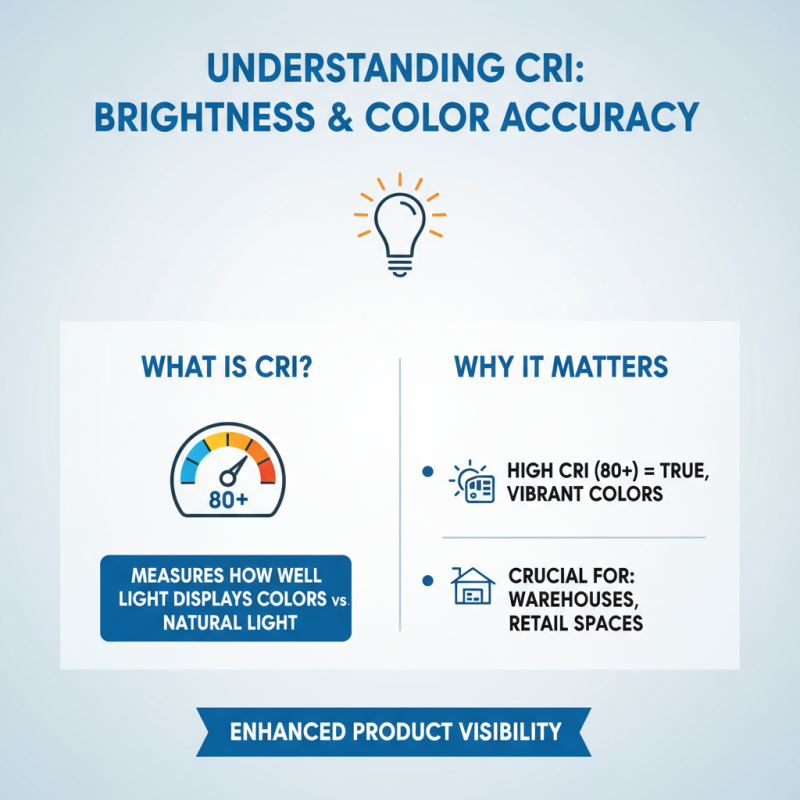
When it comes to LED high bay lights, understanding the Color Rendering Index (CRI) is crucial for achieving brightness and color accuracy. CRI measures how well a light source displays colors in comparison to natural light. A high CRI, ideally above 80, ensures that colors appear true and vibrant. This is particularly important in environments like warehouses or retail spaces, where accurate color portrayal enhances product visibility.
It's vital to choose high bay lights with an appropriate CRI. Lower CRI lights may save energy but can distort colors, leading to poor visibility. In contrast, higher CRI lights provide clearer and more accurate color rendering, significantly improving the overall ambience.
Tip: When selecting high bay lights, look for products that provide CRI ratings. It's worth investing more upfront for better performance.
Consider your specific needs. Certain tasks require high accuracy, while others may not. Think about how different environments might react to various lighting options. Remember, it's not just about brightness; color fidelity matters too.
Cost-Effectiveness of LED High Bay Lights Over Traditional Options
LED high bay lights have become increasingly favored for their energy efficiency and brightness. According to the U.S. Department of Energy, LED lighting consumes 75% less energy than traditional incandescent bulbs. This substantial reduction in energy usage translates into significant cost savings over time.
With longer lifespans—often exceeding 50,000 hours—LEDs greatly reduce the need for frequent replacements. This longevity contributes further to their cost-effectiveness. A study by the Lighting Research Center highlights that maintaining traditional lighting systems can incur costs upwards of $1,500 per year, including labor and replacement expenses. In contrast, LED systems, while initially more expensive, often lead to overall savings of up to 60% over their lifetime.
Some facilities still rely on outdated lighting. They face higher operational costs and increased maintenance time. Transitioning to LED technology can be a challenge for some businesses, yet the long-term benefits are clear. The upfront investment is quickly offset by reduced energy bills and lower maintenance demands. The case for LEDs becomes stronger as energy prices rise and sustainability goals become priority.
Best Led High Bay Light for Energy Efficiency and Brightness
| Criteria |
LED High Bay Light |
Traditional High Bay Light |
| Wattage |
100-200W |
250-400W |
| Lumens Output |
10,000-22,000 lm |
10,000-18,000 lm |
| Lifespan |
50,000 hours |
15,000 hours |
| Energy Saving |
Up to 70% |
N/A |
| Initial Cost |
$100-$250 |
$150-$300 |
| Maintenance Cost |
Low |
High |

 +86 18968869621
 CONTACT NUMBER