Top 10 Induction Cabinet Light Features You Need to Know?
Induction Cabinet Lights are becoming increasingly popular in modern homes. John Smith, an expert in home lighting solutions, states, "The right lighting can transform a space." Induction Cabinet Lights offer efficient illumination and energy savings. Many consumers remain unaware of their essential features.
These lights are designed to provide brightness when needed. They are commonly installed in cabinets, closets, and other small spaces. The induction technology makes them reliable and long-lasting. Smart features enhance usability, but not all lights come with them. Homeowners must choose wisely.
Inadequate knowledge can lead to regretful purchases. Some may overlook the importance of features like motion sensing and adjustable brightness. Each detail contributes to a better experience. Educating oneself on these aspects is crucial. Induction Cabinet Lights have much to offer if chosen correctly.
Essential Characteristics of Induction Cabinet Lights
Induction cabinet lights offer numerous essential features that enhance both functionality and aesthetics. One vital aspect is energy efficiency. These lights use minimal power while providing bright illumination, making them environmentally friendly. They are perfect for small spaces, like cabinets and closets, where traditional lighting can be bulky and inefficient.
Another characteristic to consider is motion detection. Many induction lights activate when they sense movement. This feature is not only convenient but also helps in saving energy. You'll never have to worry about remembering to turn off the lights again. However, sometimes these detectors can be overly sensitive, leading to unwanted activations.
The installation process can also vary widely. Some lights come with adhesive backing for easy setup, while others require mounting hardware. Assessing your space and needs before purchasing is crucial. Inappropriate choices can lead to frustration and extra work.
Tips: Measure your cabinet dimensions before buying. This ensures the light fits perfectly. Look for models with adjustable brightness settings for tailored lighting experiences. Always read user reviews to gauge reliability and performance based on real-world experiences. Choosing the right induction cabinet light can transform your space in ways you didn't imagine.
Top 10 Induction Cabinet Light Features You Need to Know
Energy Efficiency and Cost Savings of Induction Lighting
Induction lighting has gained attention for its energy efficiency. Unlike traditional lighting, induction lights use electromagnetic fields to produce light. This technology allows for lower energy consumption, which can lead to significant cost savings. Buildings that switch to induction lighting often notice reductions in their electricity bills.
The savings are incredible. For instance, induction lights can last up to 100,000 hours. This lifespan is several times longer than conventional bulbs. Fewer replacements mean less waste and reduced maintenance costs. However, the upfront investment can be a concern. Not everyone may see the immediate benefits, especially with budget constraints.
Many users report mixed results with induction lighting. While some enjoy brighter, healthier light, others find initial setup daunting. It's essential to weigh the long-term savings against the initial costs. Some installations lead to unexpected issues, like inadequate brightness in specific areas. These reflections reveal the importance of thorough planning before making the switch.
Sensor Technology: How Induction Cabinet Lights Detect Motion
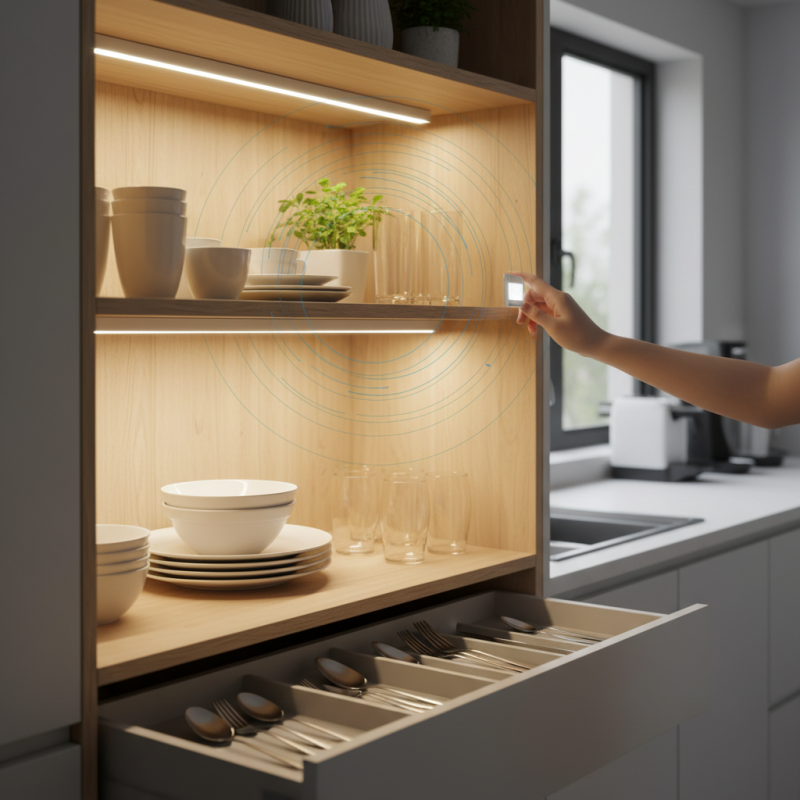
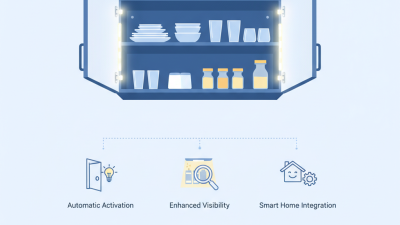
Induction cabinet lights offer an innovative way to brighten up dark spaces. A key feature is their sensor technology. These lights use advanced motion sensors to detect movement. When you open a cabinet, the sensor activates the light. This ensures you have illumination exactly when needed. No more fumbling in the dark!
The sensors used in these lights vary. Some rely on passive infrared technology, which detects the heat of a moving body. Others may use microwave sensors that can sense even the slightest motion. However, these sensors are not perfect. Sometimes they can be triggered by objects or small animals. This inconsistency can lead to lighting that is unwanted at times.
Understanding how these sensors work helps you choose the right product. You may want to consider the range and sensitivity of the sensor. A more sensitive sensor may turn on more frequently, while a less sensitive one might miss motion. It’s important to find the balance that fits your needs. Induction cabinet lights can enhance your space, but their effectiveness hinges on the right sensor technology.
Design and Aesthetics: Integrating Induction Lights in Your Space
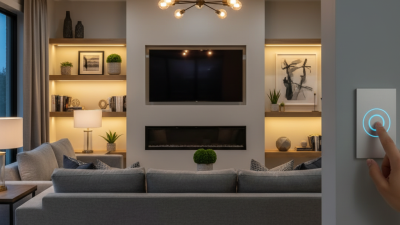
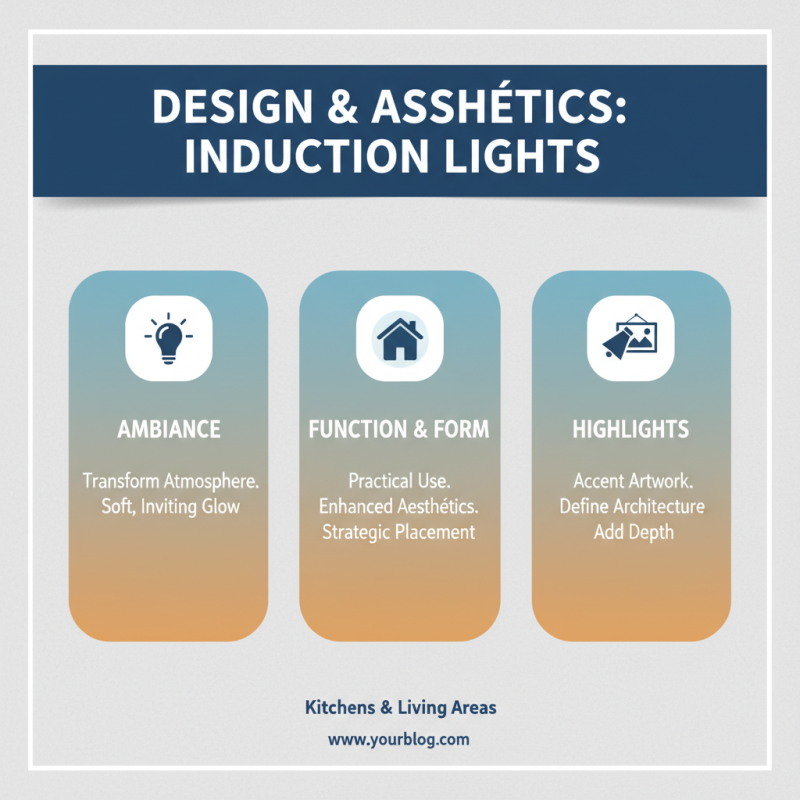
Integrating induction lights into your home can transform the atmosphere. These lights not only serve a practical function but also enhance your space's aesthetics. When installed strategically, they create a soft, inviting glow. This is particularly effective in kitchens and living areas. The right placement can highlight artwork or architectural details, adding depth to the design.
However, achieving the perfect balance can be tricky. Sometimes, induction lights might cast harsh shadows or create uneven lighting. It’s essential to consider the color temperature as well. Warm tones can make a space feel cozy while cooler tones offer a more modern touch. Experimenting with different settings is crucial.
Moreover, the design of the fixtures themselves matters. Sleek, minimalist designs can blend seamlessly into various decor styles, whereas more ornate designs can stand alone as statement pieces. Decisions about size and finish can affect how your lighting contributes to your overall design scheme. Reflection and adjustment of these choices can lead to a truly harmonious environment.
Installation and Maintenance Tips for Induction Cabinet Lighting
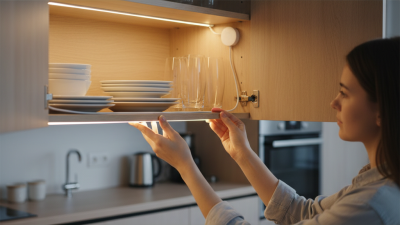
Induction cabinet lighting offers efficient illumination. Proper installation and maintenance are vital for optimal performance. Before installation, ensure the area is clean. Dust or grease can interfere with adhesive or magnetic strips used for mounting.
Here are some tips for easy installation. Measure your cabinet space meticulously before purchasing lights. This prevents unwanted surprises. Use a level to ensure that lights are straight. A crooked light can be visually distracting. When connecting the power source, always turn off the electricity. Safety first!
Maintaining your induction lights is equally important. Regularly check for dust accumulation on the light fixtures. A damp cloth can do wonders for clarity. If lights flicker or dim, it could indicate a connection issue. Reflect on the placement of your fixtures. Sometimes, light positions need adjustments for better clarity in dark corners.

 +86 18968869621
 CONTACT NUMBER