Top 10 Strip Light Options for Global Buyers Today?
In today’s vibrant marketplace, strip lights have become essential for both functionality and aesthetics. They add warmth to homes and highlight decor in commercial spaces. With their versatility, strip lights find applications in various sectors, from retail to event planning. The demand for high-quality options has surged globally.
Choosing the right strip light is crucial. Not all options meet quality standards. Buyers need options that offer durability and efficiency. Many prefer LED strip lights for their energy-saving features. However, the wide range of products can be overwhelming. It’s important to focus on reliable brands that prioritize performance.
This guide aims to highlight the top ten strip light options available today. Each selection reflects extensive research and user feedback. By examining these options, buyers gain insight into what distinguishes quality strip lights from inferior ones. Let’s explore how these top contenders can transform your space.
Understanding the Basics of Strip Lights: Types and Features
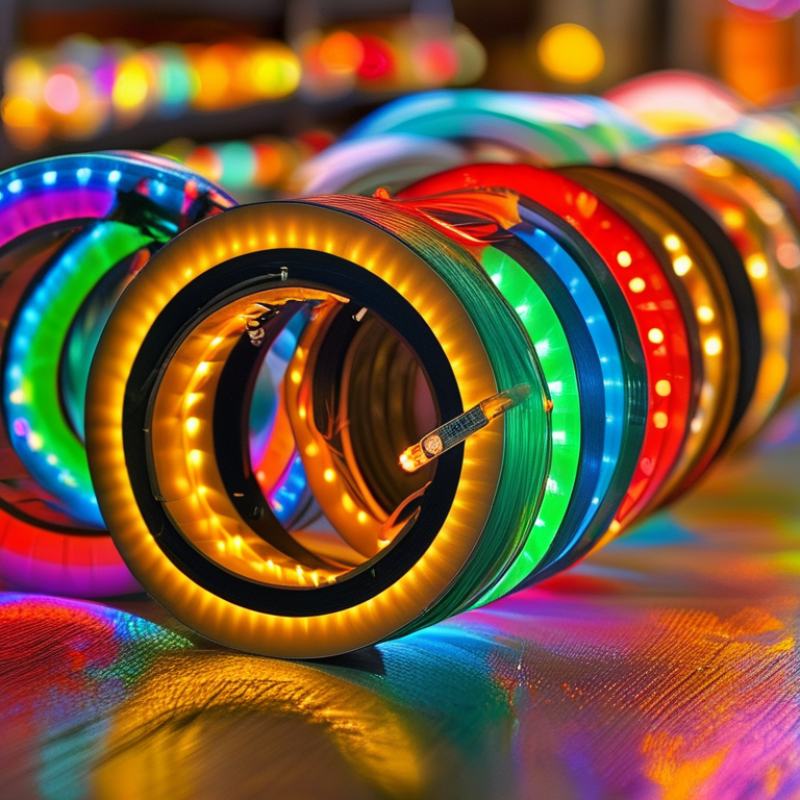
Strip lights are versatile lighting solutions that can enhance any indoor or outdoor space. These lights come in different types, such as LED, neon, or rope. Each type offers unique features that cater to various needs.
LED strip lights are energy-efficient and long-lasting. They emit minimal heat, making them safe for various applications. Neon strips provide a soft, continuous light. They are often used for decorative purposes, adding a vibrant touch to any setting.
When choosing strip lights, consider their brightness, color temperature, and flexibility. Different projects may require different brightness levels. Some might prefer warm light for a cozy atmosphere, while others will need cool light for more functional spaces. Flexibility is also important; some strips can bend around corners, while others are more rigid. Always evaluate the specifications to ensure they fit your project’s requirements.
In the world of strip lighting, it's essential to consider installation options. Some strips come with adhesive backing, which allows for easy application. Others may require clips or mounting hardware. Reflecting on these details can help you make informed decisions that meet both your aesthetic and functional requirements.
Key Factors to Consider When Choosing Strip Lights for Your Needs
Choosing the right strip lights can transform your space remarkably. Key factors to consider include brightness, color temperature, and application. Different projects require different lighting needs. For instance, a workspace may need bright, white light for clarity, while a cozy living area might benefit from softer hues.
When selecting strip lights, assess the lumens they offer. Higher lumens equal brighter light. Consider where you'll place them. Wet areas need moisture-resistant lights. Also, some strip lights are more energy-efficient than others. Check the specifications for energy consumption. Matching your needs with the correct type significantly enhances the visual appeal of your environment.
One common mistake is overlooking the power supply. It can affect brightness or even cause the lights to flicker. Check compatibility before purchasing. Also, think about the length of the strip needed for your space and whether you want to cut it to fit. Comfortably fitting lights create a consistent look. Finally, don't forget about the installation process. Ensure you have the right tools and understand the instructions, as mishaps can lead to inefficiencies.
Top 10 Strip Light Options
Top 10 Strip Light Options: Features and Benefits Analysis
When selecting strip lights, understanding their features and benefits is crucial. There are various types available, each serving different needs. For instance, dimmable LED strip lights provide user control over brightness, enhancing ambiance. Color-changing options allow users to customize their environments. These features create versatility, making them suitable for residential, commercial, and outdoor spaces.
The installation process can sometimes be challenging. Self-adhesive backing simplifies setup, but imperfections may arise if surfaces aren't prepped correctly. Some users face difficulties in cutting and connecting strips. Proper planning and understanding product specifications mitigate common mistakes. Not all products offer the same energy savings; this aspect requires careful consideration. Evaluating efficiency and longevity can reduce long-term costs.
Users often overlook the importance of waterproof ratings for outdoor applications. Choosing the right type for specific environments ensures reliability. Furthermore, users might experience issues with color consistency among strips. This highlights the need for thorough research before purchasing. Understanding the limitations of each strip light option can lead to more informed decisions.
Top 10 Strip Light Options for Global Buyers Today
| Product |
Length |
Color Options |
Wattage |
Water Resistance |
Features |
| LED Strip Light A |
16.4 ft |
RGB, Warm White |
24W |
IP65 |
Dimmable, Remote Control |
| LED Strip Light B |
32.8 ft |
Cool White, Warm White |
36W |
IP20 |
Flexible, Cuttable |
| LED Strip Light C |
16.4 ft |
RGB |
20W |
IP67 |
Smart App Control |
| LED Strip Light D |
26.2 ft |
RGBW |
30W |
IP68 |
Voice Control, Music Sync |
| LED Strip Light E |
20 ft |
White, Warm White |
28W |
IP20 |
Energy Efficient |
| LED Strip Light F |
15 ft |
Multicolored |
22W |
IP65 |
Easy Installation |
| LED Strip Light G |
10 ft |
Warm White |
16W |
IP20 |
Low Heat, Long Lifespan |
| LED Strip Light H |
18 ft |
RGB |
25W |
IP67 |
Smart Features, App Compatible |
| LED Strip Light I |
22 ft |
Cool White, Warm White |
34W |
IP20 |
Eco-Friendly, Brightness Adjustable |
| LED Strip Light J |
14.7 ft |
RGB, White |
21W |
IP65 |
Color Changing, Sync to Music |
Comparative Review: Price Range and Value of Each Strip Light
Choosing the right strip lights can significantly enhance both residential and commercial spaces. With a multitude of options, understanding price ranges and value is crucial. Reports indicate that high-quality LED strip lights generally range from $10 to $60 per reel. The price can vary based on length, brightness, and color options. For example, a standard 16-foot LED strip light may cost around $15, while premium options with advanced features can reach up to $80.
It’s essential to evaluate the features you need. Some buyers focus solely on price, but quality should not be overlooked. For instance, lower-priced options might have a shorter lifespan. Research shows that LED lights can last up to 25,000 hours, but cheaper models often fail much earlier. This inconsistency can lead to higher long-term costs due to frequent replacements.
Consider installation ease and customer reviews when making your choice. Pay attention to energy efficiency ratings, as they can significantly impact your electricity bill. It’s also wise to compare warranties. A longer warranty often indicates a manufacturer’s confidence in their product. Quality lighting can transform an environment, but mindful shopping ensures that your investment has lasting value.
Installation Tips and Techniques for Optimal Strip Light Setup
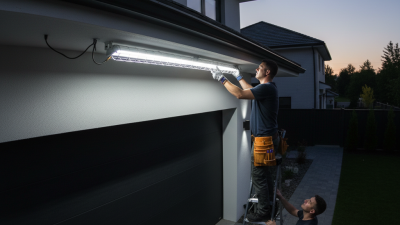
Installing strip lights can transform a room, but proper setup is essential for the best effect. Start by measuring the area where you plan to install. Accurate measurements help avoid wasting materials and ensure a neat finish. Choose the right adhesive backing to match your surface type, whether it’s drywall, metal, or wood. Clean the surface thoroughly to ensure a strong bond. This step is often overlooked but crucial for longevity.
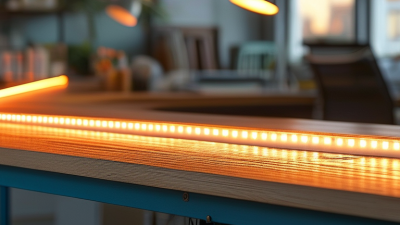
When placing strip lights, consider the light direction. It’s tempting to install them haphazardly, but thoughtful placement makes a difference in ambiance. For instance, under cabinets in the kitchen can enhance task lighting, while behind the bed can create a cozy atmosphere. Keep the power source in mind. Avoid overloading circuits, as this can lead to failures. If lights flicker or go out, that might indicate an issue needing attention.
After installation, take a moment to test different configurations. You might find certain arrangements yield better effects than others. It’s common to feel unsure about how bright or dim to go. Experimenting with various settings can help you settle on what feels right. Don’t hesitate to adjust the layout if you’re not satisfied. Learning from these adjustments contributes to a well-lit space that meets your needs.

 +86 18968869621
 CONTACT NUMBER