2026 Top Induction Cabinet Light Trends for Global Buyers?
The market for Induction Cabinet Light is rapidly evolving. According to a recent report by Industry Insights, the global demand for these innovative lighting solutions is projected to grow by 15% annually through 2026. This trend is driven by increasing energy efficiency awareness and the need for sustainable solutions in both residential and commercial sectors.
John Smith, a leading expert in lighting technology, states, "Induction Cabinet Lights are not just about illumination; they represent a shift towards smarter, eco-friendly homes." His insights emphasize the importance of creating environments that prioritize both functionality and sustainability. The adoption of induction lighting reflects a growing consumer preference for products that reduce energy consumption and enhance convenience.
While these lights offer many advantages, challenges remain. Initial installation costs can deter some buyers. Additionally, ensuring compatibility with existing cabinetry can be a hurdle. Addressing these issues will be crucial as the industry continues to innovate. The future of Induction Cabinet Light looks promising, yet it requires thoughtful consumer engagement and industry collaboration to overcome these barriers.
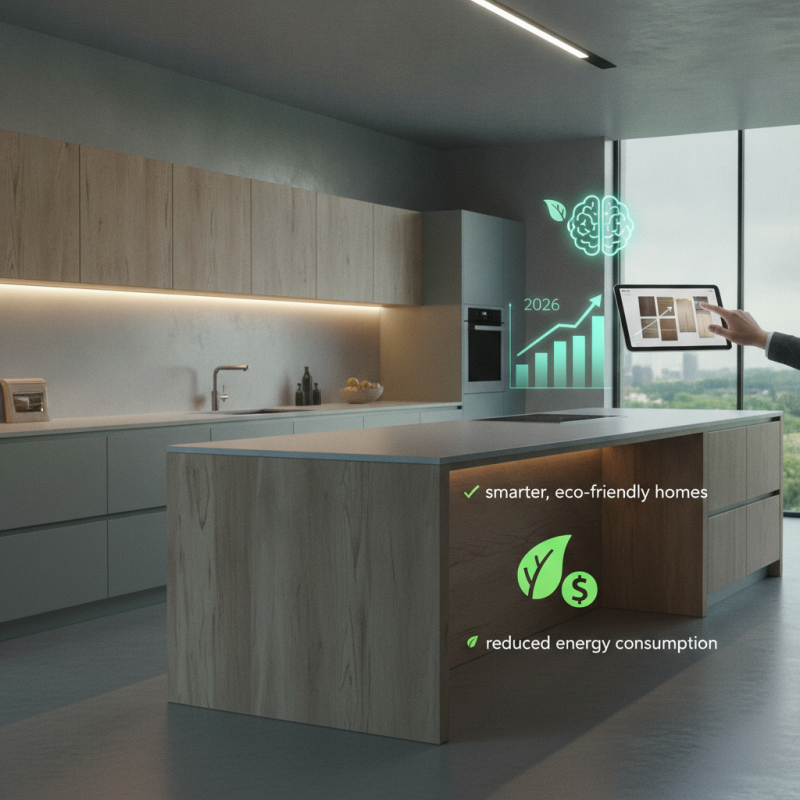
2026 Induction Cabinet Light Market Overview: Key Trends and Insights
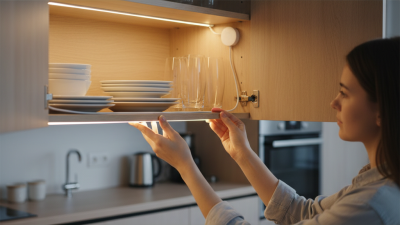
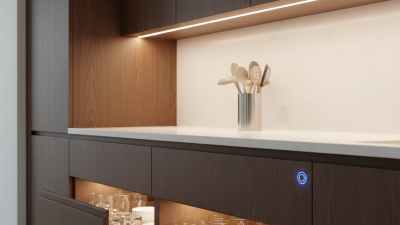
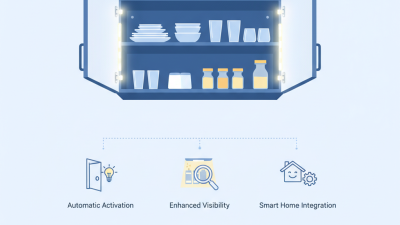
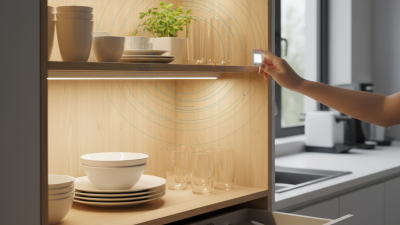
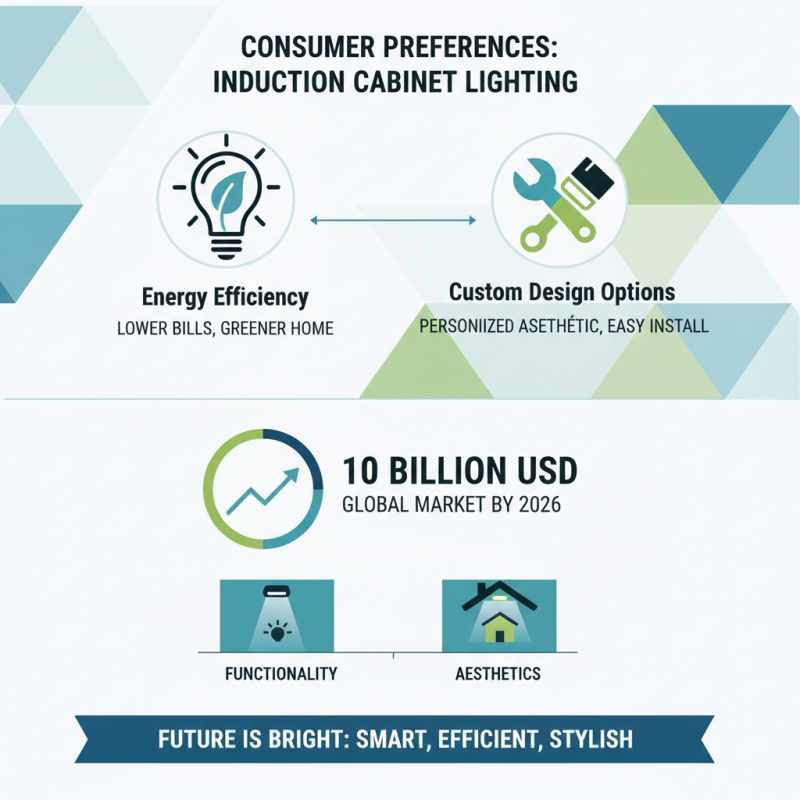
The induction cabinet light market is evolving rapidly in 2026. Innovations in energy efficiency and design are reshaping consumer preferences. Buyers are seeking lights that not only illuminate but also enhance aesthetics. Sleek, minimalist designs are particularly popular. They fit seamlessly into modern kitchens and cabinetry. Smart features are also gaining traction. These include motion sensors for automatic activation. Users appreciate convenience and energy savings.
Sustainability is another key trend. More buyers are favoring eco-friendly materials and energy-efficient technologies. This shift reflects a growing awareness of environmental issues. Manufacturers are responding by offering products that meet these demands. However, challenges remain. Not all suppliers adhere to sustainable practices. This inconsistency can confuse consumers. Some lights may not perform as advertised. Gathering reliable information is crucial for buyers.
The induction cabinet light segment is poised for growth. Yet, it also requires cautious navigation. Understanding the market's dynamics is essential. Buyers need to be informed and discerning. Emphasis on design, technology, and sustainability will shape future purchases. As the market evolves, staying updated on trends will be key. Making well-researched decisions is vital for maximizing value.
2026 Induction Cabinet Light Market Trends
| Trend |
Market Share (%) |
Growth Rate (%) |
Region |
Key Insights |
| Smart Integration |
25 |
15 |
North America |
Increasing demand for smart home solutions. |
| Energy Efficiency |
30 |
10 |
Europe |
Rising focus on sustainability and energy savings. |
| Customization Options |
20 |
12 |
Asia-Pacific |
Growing demand for tailor-made lighting solutions. |
| Health and Wellness |
15 |
8 |
Global |
Focus on lighting that enhances well-being. |
| Smart Sensors |
10 |
14 |
Middle East |
Integration of sensors for automated control. |
Top Technological Advancements in Induction Cabinet Lighting for 2026
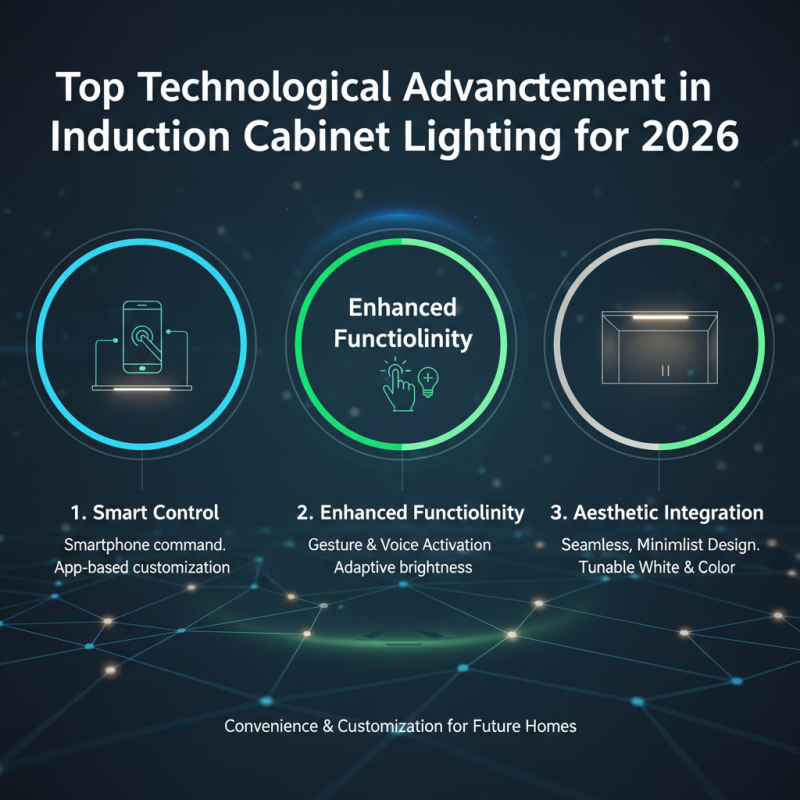
The world of induction cabinet lighting is evolving rapidly. In 2026, innovative technologies promise to enhance functionality and aesthetics. Smart features will dominate, allowing users to control lighting via smartphones. This shift will cater to a demand for convenience and customization in home design.
Energy efficiency remains a priority. New induction lights will use advanced sensors to adjust brightness automatically. This adaptability helps reduce electricity costs while ensuring optimal lighting conditions. However, not all new technologies will find immediate acceptance. Users may struggle with setup or compatibility, prompting a need for straightforward guides.
Sustainability is another key focus. Manufacturers are exploring eco-friendly materials for induction lights. While this is commendable, it raises questions about durability and performance. Balancing sustainability with quality remains a challenge. As the industry moves forward, the focus should be on seamless user experience and reliable products. This approach will ensure that technological advancements genuinely enhance living spaces.
Sustainability in Induction Cabinet Lights: Eco-Friendly Trends for Buyers
Sustainability is becoming a focal point in the design of induction cabinet lights. As people become more environmentally conscious, manufacturers are integrating eco-friendly materials into their products. This shift is crucial for reducing waste and promoting energy efficiency. High-quality LED components are more common now. They not only last longer but also consume less power. These advancements indicate a growing awareness of the carbon footprint.
The use of recyclable materials is another emerging trend. Many induction lights now feature housings made from aluminum or recycled plastics. This trend not only cuts down on landfill waste but also encourages a circular economy in the lighting industry. Consumers are becoming more informed, demanding transparency about material sourcing and production methods.
However, there are challenges. Some manufacturers may prioritize cost over sustainability, leading to greenwashing. Not all eco-friendly claims are trustworthy. This reflects a need for rigorous standards and consumer vigilance. Educating buyers on identifying truly sustainable products is essential. By fostering awareness, we can drive the market towards genuine eco-friendly practices. The future relies on responsible choices made today.
2026 Induction Cabinet Light Trends
Market Forecast: Growth Projections for Induction Cabinet Light Industry in 2026
The induction cabinet light industry is poised for significant growth by 2026. As urban living grows, so does the demand for innovative lighting solutions. Induction lights offer energy efficiency and longevity, appealing to both consumers and businesses. Their ability to provide consistent illumination makes them ideal for various applications.
Current market forecasts indicate a surge in adoption rates. More businesses are recognizing the cost savings associated with induction lighting. Energy costs are rising, and efficient solutions can reduce overall expenses. However, challenges remain. Not all consumers are aware of the technology's benefits. Education and marketing will play key roles in driving acceptance.
Additionally, the design aspect of induction cabinet lights is evolving. Sleeker, more stylish options are emerging, appealing to a broader audience. As manufacturers innovate, there's a need for balancing aesthetics with functionality. The market may face obstacles in ensuring uniform quality and reliability in new designs. Addressing these issues is crucial for long-term success in this competitive industry.

 +86 18968869621
 CONTACT NUMBER