Best Induction Downlight Options for Your Lighting Needs?
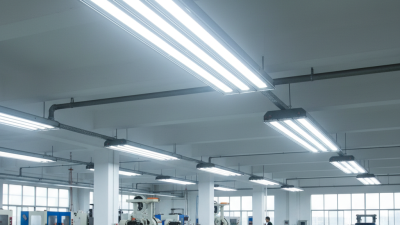
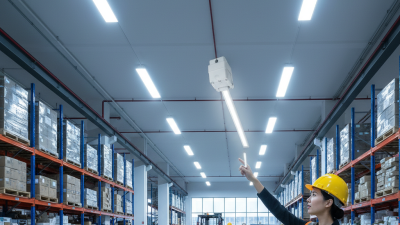
When considering lighting solutions, Induction Downlight options stand out for their efficiency and longevity. These lights operate through electromagnetic induction, delivering bright illumination while using less energy. Their growing popularity in both residential and commercial settings is a testament to their practicality and effectiveness.
Induction Downlights are often more durable than traditional lighting alternatives. They require minimal maintenance, making them a reliable choice. However, selecting the right model can be challenging due to the diverse options available. Some products may not meet expectations, leaving users dissatisfied. This uncertainty highlights the importance of informed choices.
By exploring the best Induction Downlight options, we aim to provide clarity. We'll look at features, performance ratings, and user feedback. This information is vital in making a wise purchase. Quality lighting should not only enhance aesthetics but also contribute to energy savings. Let's navigate this topic to find the perfect fit for your lighting needs.
Understanding Induction Downlights: What They Are and How They Work
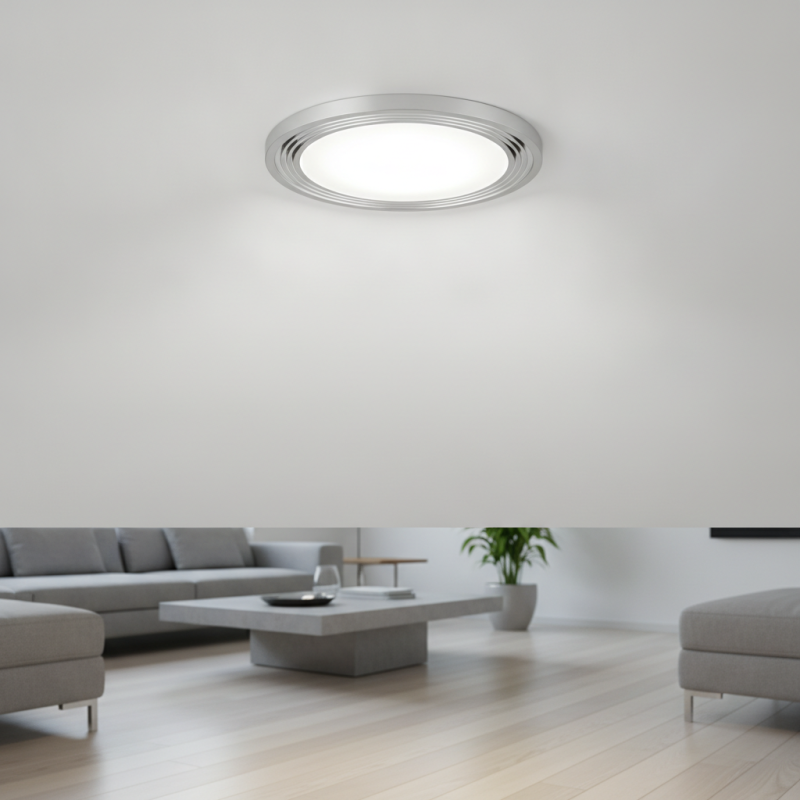
Induction downlights are innovative lighting solutions that utilize electromagnetic fields to provide bright, efficient illumination. They operate by inducing light through gas discharge without a filament. This technology allows for a longer lifespan and reduced energy consumption compared to traditional lighting options. As a result, they are becoming popular for residential and commercial spaces.
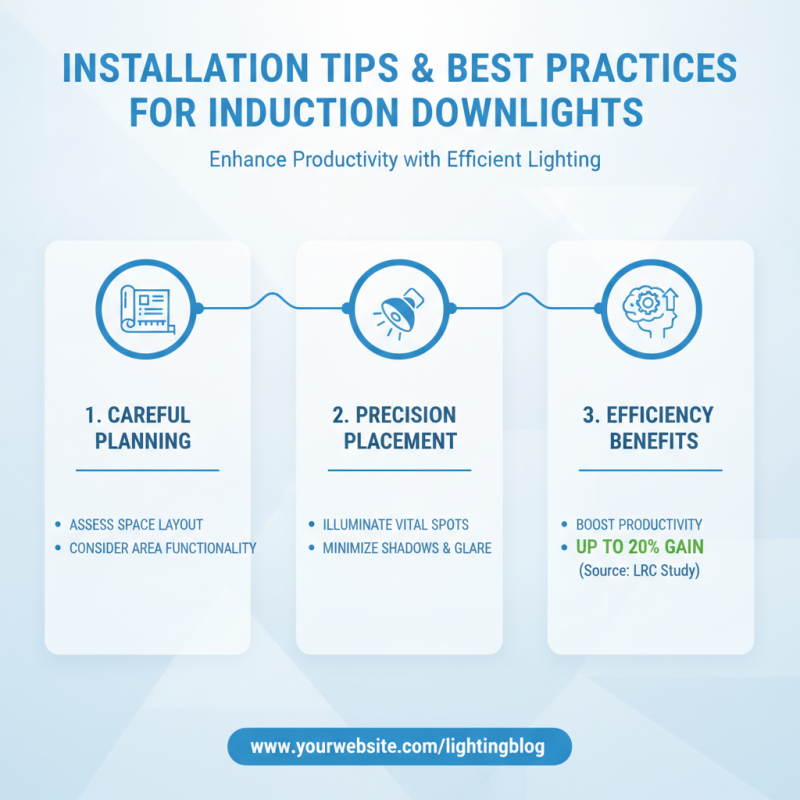
When choosing induction downlights, consider the color temperature. Warmer light promotes a cozy atmosphere, while cooler light is better for task-oriented areas. The placement of downlights is also crucial. Ensure adequate spacing to achieve uniform lighting and avoid harsh shadows.
Tips for installation include ensuring compatibility with your existing electrical system. Avoid overcrowding circuits, as this can lead to flickering. If possible, consult with a professional for optimal results. This can help you avoid any mistakes that lead to unsatisfactory lighting. Remember that choosing the right downlight can significantly impact your space's ambiance and functionality. Assess your needs carefully and don't rush the selection process.
Benefits of Induction Downlights for Energy Efficiency and Longevity
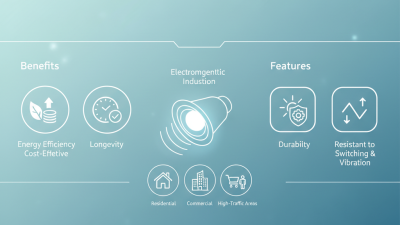
Induction downlights are gaining popularity for their remarkable energy efficiency and longevity. They utilize magnetic fields to produce light, which means they consume less power compared to traditional lighting. This technology not only reduces energy bills but also minimizes carbon footprints. Over time, these lights can last for years, significantly outpacing conventional bulbs.
One aspect that often goes unnoticed is the light's quality. Induction downlights produce a uniform brightness without flickering. This can create a more comfortable environment. However, not every installation will benefit equally. For example, poorly placed lights can create shadows or uneven lighting. Careful planning is essential to maximize their advantages.
Tips to ensure optimal performance include selecting the right wattage for your space. Spaces with high ceilings may require stronger lights. Additionally, consider the room's color palette. Brightly colored walls can reflect light, enhancing the overall ambiance. Finally, while induction lights are durable, occasional checks for dust or debris are worthwhile. Regular maintenance can ensure they shine brightly for longer.
Top Brands and Models of Induction Downlights to Consider
When selecting induction downlights, several top brands and models stand out in the market. Recent reports from the lighting industry highlight the importance of energy efficiency. According to a study by the U.S. Department of Energy, well-designed induction downlights can reduce energy consumption by up to 50% compared to traditional incandescent lights. This matters significantly in reducing overall electricity costs.
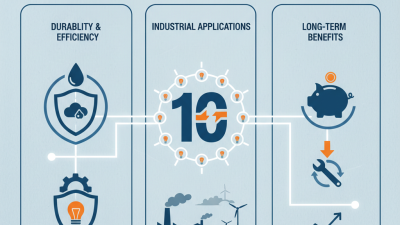
In terms of reliability, induction downlights have a longer lifespan. Research indicates they can last over 100,000 hours. This durability decreases the need for frequent replacements, ultimately benefiting both consumers and businesses. However, not all models are equal; some may exhibit unwanted flickering or inconsistent light quality. It's crucial to consider these factors when making a choice.
Cost is another variable to keep in mind. While some induction models may have higher upfront costs, the long-term savings in energy bills and replacement costs can justify the investment. A survey by lighting professionals mentioned that almost 30% of users experienced dissatisfaction due to insufficient brightness from their downlights. Conducting thorough research helps ensure reliability and enhanced user satisfaction.
Best Induction Downlight Options for Your Lighting Needs
This chart displays key performance metrics for induction downlights, illustrating wattage, luminous flux, lifespan, and energy efficiency. Understanding these metrics helps you select the best option for your lighting needs.
Factors to Consider When Choosing Induction Downlights for Your Space
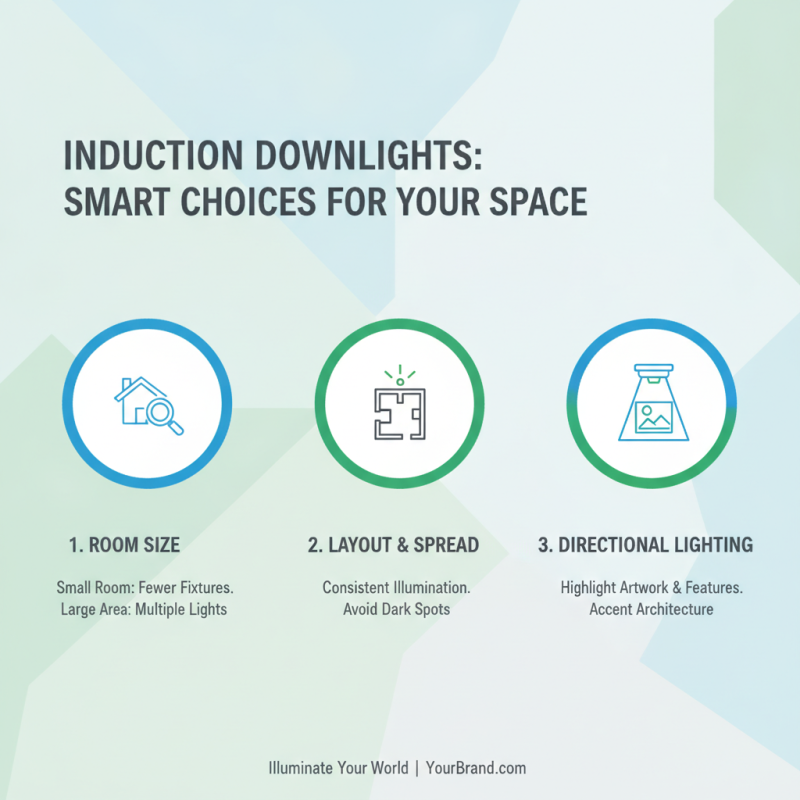
When selecting induction downlights, consider the size of your space. A small room may require fewer fixtures, while larger areas benefit from multiple lights. Think about the layout and how light will spread. Directional lights can enhance specific features, like artwork or architectural details.
The color temperature of the light is another vital factor. Warmer tones create a cozy atmosphere. Cooler tones can energize a space, making it feel wider and cleaner. Ideally, choose adjustable lights to suit different occasions.
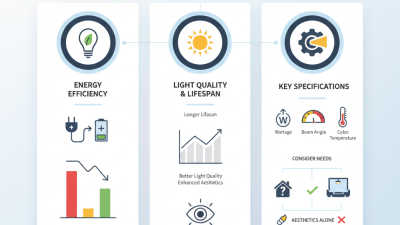
Energy efficiency is crucial in today’s market. Look for downlights with high lumen output and low wattage. This offers savings over time. However, not every model lasts long, so check durability. Induction lights can vary significantly in performance. Research and read reviews carefully. User feedback often reveals hidden issues. Consider these factors to make a well-informed choice.

 +86 18968869621
 CONTACT NUMBER