China Best Lightning Protection Lamp Benefits and Features Explained?
In today's world, ensuring safety against natural phenomena is critical. The Lightning Protection Lamp stands out in this sphere. Renowned expert Dr. Emily Chen, an authority in electrical safety, asserts, “A reliable lightning protection lamp can save lives and property from unforeseen disasters.” Her insights highlight the importance of these lamps in safeguarding structures.
These lamps are designed to dissipate electrical energy safely during a lightning strike. Their benefits are profound: they not only offer protection but also enhance visibility during storms. The advanced technology behind these devices ensures they can withstand extreme conditions, providing reliable safety.
However, not all lightning protection lamps offer the same level of efficacy. Some products may not meet the required standards, leading to potential risks. Therefore, choosing a proven and certified model is crucial. This decision can significantly impact safety outcomes. As we explore the features and benefits of the best lightning protection lamps, it's essential to consider both performance and reliability.
Overview of Lightning Protection Lamps in China
In China, lightning protection lamps play a crucial role in safeguarding structures from storm damage. They are designed to intercept and redirect lightning strikes, minimizing impact. According to a report by the China Meteorological Administration, lightning-related incidents have risen by 30% in recent years, making effective protection increasingly imperative.
Investing in lightning protection technology is a proactive measure. Properly designed lamps can significantly decrease damage risk, leading to lower repair costs. A study from the National Fire Protection Association shows that effective lightning protection systems can reduce strike-related losses by up to 90%. However, it’s essential to understand that not all solutions are equally effective. A system must be tailored to specific environmental conditions and structures.
Tips for Choosing the Right Lightning Protection Lamp:
- Assess your area's lightning frequency. High-risk areas need robust systems.
- Consult with professionals who understand local regulations and standards.
- Regular maintenance is critical. Check your systems often for wear and faults to ensure their reliability under storm conditions.
Key Benefits of Using Lightning Protection Lamps
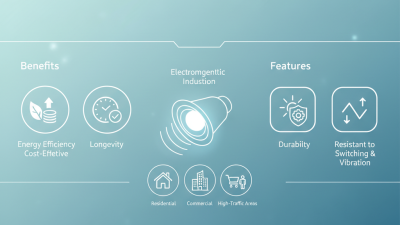
Lightning protection lamps are essential in safeguarding structures from electrical discharges during thunderstorms. According to industry reports, over 40% of severe weather-related damages stem from lightning strikes. This statistic highlights the critical need for effective lightning protection systems.
One key benefit of using lightning protection lamps is their ability to minimize structural damage. These devices are designed to intercept surges caused by lightning, directing them safely into the ground. This can prevent costly renovations or repairs. Additionally, they significantly enhance safety for occupants, reducing the risk of injuries caused by electrical hazards. A study found that buildings equipped with proper lightning protection are 85% less likely to sustain significant damage from strikes.
Moreover, lightning protection lamps offer energy efficiency. Many modern lamps utilize LED technology, which not only consumes less energy but also has a longer lifespan. This dual benefit contributes to lower electricity bills and decreased maintenance costs. However, it's important to acknowledge that installation can be complex and requires professional expertise. This complexity can deter some property owners, leading to misunderstandings about the necessity of such systems. Ensuring proper installation and maintenance is vital to maximizing their protective benefits.
Key Benefits of Using Lightning Protection Lamps
This bar chart illustrates the key benefits of using lightning protection lamps, rated on a scale from 0 to 100%. The data indicates high ratings for durability, efficiency, and enhanced safety, showcasing why these lamps are essential for effective lightning protection.
Important Features of High-Quality Lightning Protection Lamps
Lightning protection lamps are essential for safeguarding buildings and infrastructure from electrical discharges. High-quality models include several key features that enhance their reliability and effectiveness. Effective lightning protection lamps should have a robust construction, often utilizing materials designed to withstand extreme conditions. Research from industry studies indicates that such lamps can withstand voltage surges exceeding 100kA, providing ample protection in severe weather.
Another crucial aspect is the technology integrated into these lamps. Many high-quality options incorporate smart sensing features. These sensors can detect fluctuations in current and respond in real-time, optimizing energy efficiency. According to a report from the Institute of Electrical and Electronics Engineers (IEEE), the adoption of smart lightning protection systems has increased by 40% in urban areas, highlighting their growing importance.
Moreover, ongoing maintenance and proper installation are vital. Even the best lightning protection systems require regular checks to ensure functionality. A detailed report from the National Fire Protection Association (NFPA) states that up to 30% of lightning protection failures result from poor maintenance practices. Users must stay vigilant about these aspects to maintain effectiveness, regardless of the lamp's initial quality.
China Best Lightning Protection Lamp Benefits and Features Explained
| Feature |
Description |
Benefits |
| High Voltage Protection |
Built with materials that can withstand high voltage strikes. |
Prevents damage to electrical systems and equipment. |
| Durability |
Made from corrosion-resistant materials for long-lasting use. |
Reduces maintenance and replacement costs over time. |
| Easy Installation |
Designed for quick and straightforward setup. |
Saves time and labor costs during installation. |
| Enhanced Visibility |
Features bright LED lights for clear visibility during storms. |
Increases safety for pedestrians and vehicles. |
| Environmentally Friendly |
Uses energy-efficient lighting technology. |
Reduces carbon footprint and energy costs. |
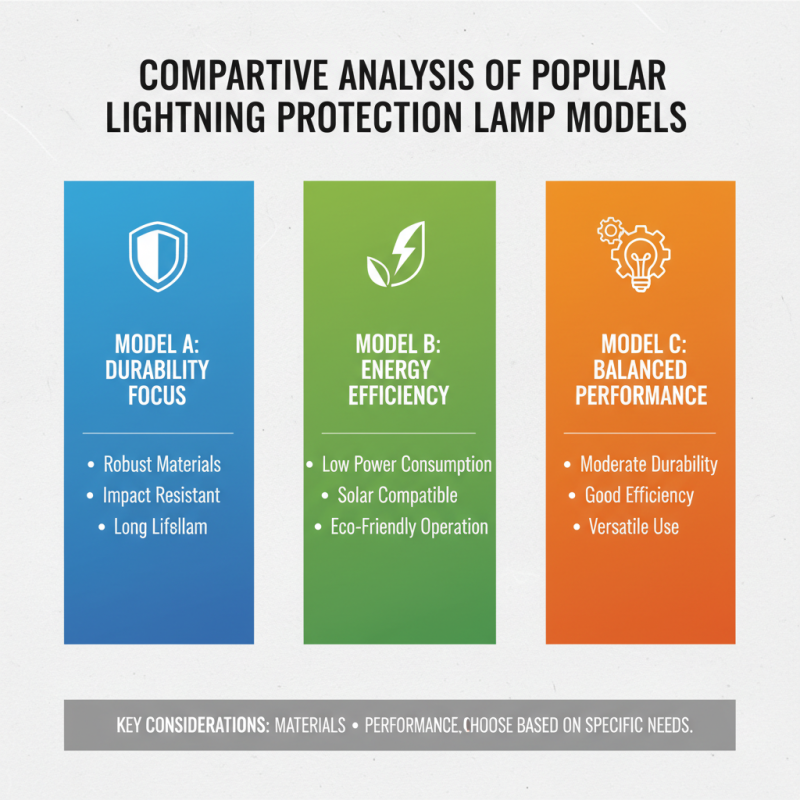
Comparative Analysis of Popular Lightning Protection Lamp Models
When selecting a lightning protection lamp, potential buyers should consider various models. Each model offers unique features catering to specific needs. Some lamps focus on durability, while others emphasize energy efficiency. Research reveals that materials used impact both performance and longevity. A thorough look at these options aids in making an informed choice.
One popular model highlights enhanced surge protection. This design minimizes damage during adverse weather. Another model prioritizes user-friendliness, making installation straightforward. While these models offer great benefits, they can sometimes underperform in extreme conditions. It’s worth questioning whether these lamps can withstand the harshest elements throughout their lifecycle.
Price can be a determining factor. Some buyers may lean towards more affordable options, but these can compromise durability. In contrast, premium models often include advanced technology but may not always justify their cost. Reflecting on the balance between price and efficiency is essential for a wise investment. Each decision should consider both immediate needs and long-term benefits.
Installation and Maintenance Tips for Lightning Protection Lamps
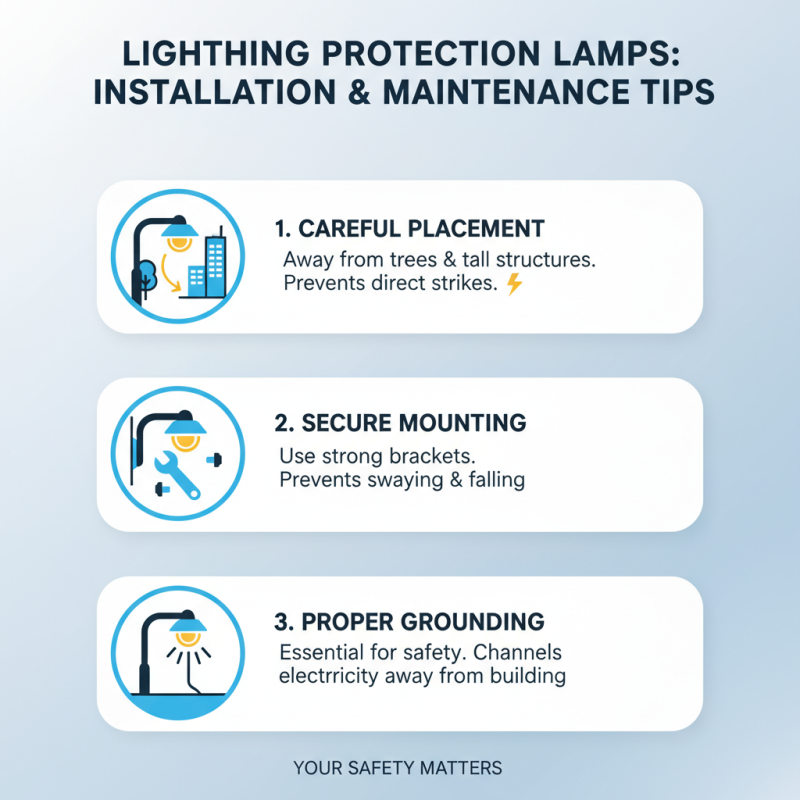
When installing a lightning protection lamp, choose a location away from trees and tall structures. This positioning helps avoid direct strikes. Ensure the lamp is mounted securely. Use appropriate brackets to prevent it from falling or swaying. Proper grounding is vital. A good ground system can effectively channel the electricity away from your building.
Periodic maintenance is key. Inspect the lamps regularly for signs of wear. Check the wiring and connections. Look for any corrosion, which can compromise efficiency. Cleaning the lamp at least twice a year is essential. Dust can block the light source and reduce visibility.
Remember, even with proper installation, challenges may arise. Storm conditions vary, and unexpected issues may develop. Stay vigilant and address any concerns quickly. Maintaining a lightning protection system is an ongoing task, not a one-time job.

 +86 18968869621
 CONTACT NUMBER