What is Strip Light and How to Choose the Best Option?
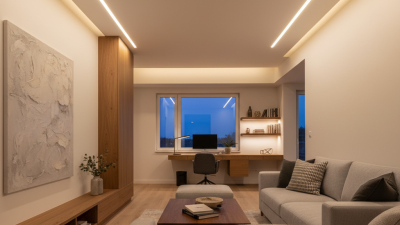
In recent years, "Strip Light" has gained immense popularity in both residential and commercial settings. As lighting designer Emily Carter notes, "Choosing the right Strip Light can transform a space and enhance its functionality." This highlights the importance of making informed decisions when selecting lighting options.
Strip Lights come in various forms, including LED, neon, and flexible strips. Each type serves different purposes, whether for ambiance or task lighting. Understanding these options is crucial for maximizing their impact. People often overlook the quality and specifications of Strip Lights. Without proper research, one might end up choosing an unsuitable product, leading to dissatisfaction.
The market is flooded with choices, which can overwhelm consumers. Factors like brightness, color temperature, and energy efficiency should guide your selection. An expert's guidance can clarify these nuances. As the use of "Strip Light" continues to rise, knowing how to choose the best option is more important than ever.
What are Strip Lights and Their Common Uses?
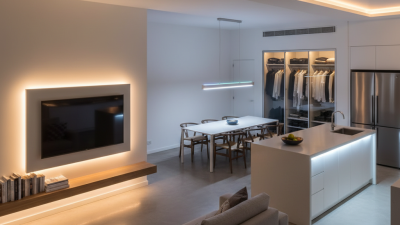
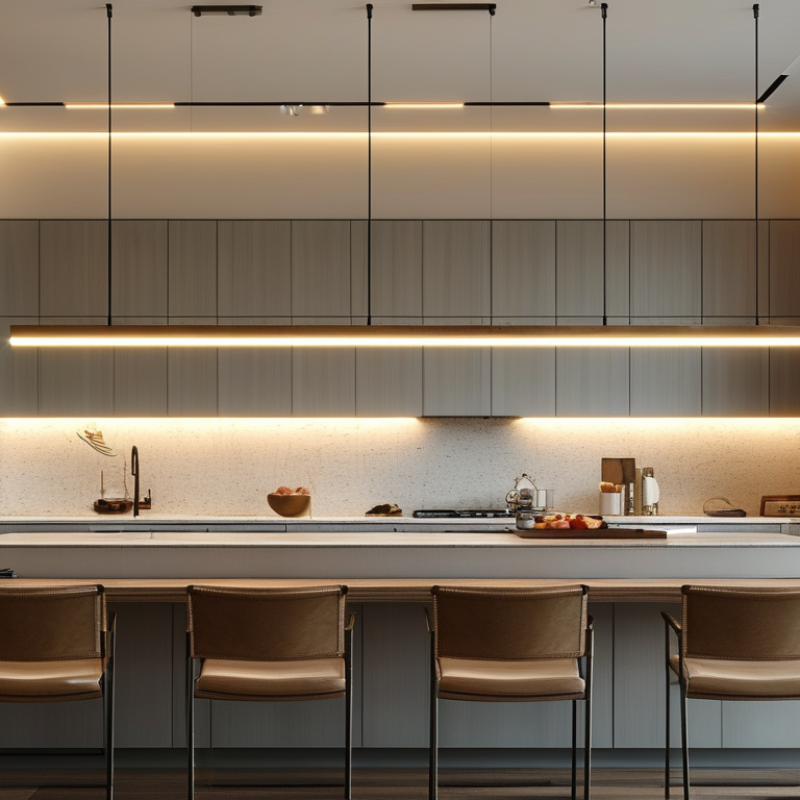
Strip lights, also known as LED strip lights, have become a popular choice for various lighting projects. They are flexible and can be cut to fit different spaces, making them perfect for accentuating areas in homes and offices. Commonly used in kitchens, living rooms, and under cabinets, they provide a modern touch. The warm glow enhances ambiance, while the cool white suits a more functional space.
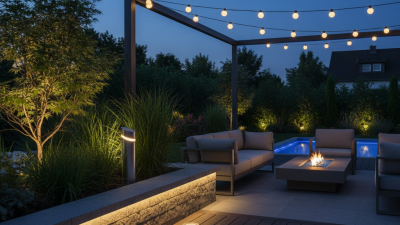
Applications for strip lights are diverse. You can use them for task lighting, such as illuminating workspaces or reading nooks. Some people favor them for decorative purposes, wrapping around furniture or along ceilings. The ease of installation adds to their appeal. However, not all strip lights are created equal. It’s important to consider factors like brightness, color temperature, and energy consumption to ensure they meet your needs.
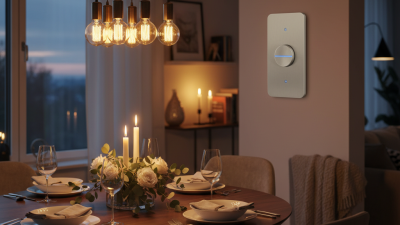
Choosing the right strip light requires careful thought. Different settings call for varying features. For example, a cozy atmosphere might benefit from warmer tones, while vibrant spaces could use cooler shades. Dimmer compatibility is another aspect worth exploring. Testing different types may reveal preferences you didn’t know you had. It's key to embrace this process, learning what works best for your space.
Types of Strip Lights: LED, Neon, and More
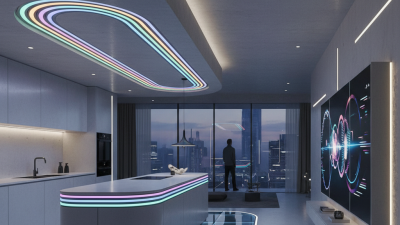
Strip lights have become increasingly popular for both aesthetic and functional purposes. Among the various types, LED and neon strip lights stand out. LED strip lights are energy-efficient, consuming up to 80% less power than traditional lighting. Studies suggest they can last over 50,000 hours, making them ideal for long-term use. Neon strip lights, on the other hand, offer a vibrant glow that mimics traditional neon signs. They are perfect for creating engaging visual displays.
When choosing strip lights, consider the brightness and color options available. LED strip lights can produce various color temperatures, from warm white to cool daylight. Using a color temperature guide can help you select the right ambiance for your space. However, beware of lower-quality lights that may flicker or have inconsistent brightness. Research shows that poor quality strip lights can lead to dissatisfaction and increased energy costs.
Tips: Always check for certified ratings on strip lights to ensure safety and performance. Dimmer compatibility is an essential factor to check, especially for LED strips. Review user feedback to spot potential issues before making a purchase. Remember, not all strip lights are created equal. Consider your specific needs before deciding.
Key Features to Consider When Choosing Strip Lights
When choosing strip lights, consider the brightness. Measured in lumens, this value indicates how much light the strip emits. Higher lumens mean brighter illumination. Think about the space where you will use them. A more vibrant area may need stronger light.
Color temperature is another essential factor. Measured in Kelvins, it defines the ambiance. Warmer temperatures create coziness, while cooler tones enhance focus. Choose a temperature that complements your environment. Lighting can affect mood, so this decision is crucial.
One more aspect is flexibility. Some strip lights can bend easily, allowing creative installation. This feature is vital for corners or curves. Check the length of the strip and how much you need. Longer strips may require extensions or connectors.
Tip: Always plan your layout before purchasing. Visualize where you’ll place the lights. This step helps in choosing the right length. Also, consider dimming options. They provide versatility for different occasions.
Choosing the right strip light involves careful thought. Reflect on your preferences and needs. The best choice enhances your space and serves its purpose.
What is Strip Light and How to Choose the Best Option? - Key Features to Consider When Choosing Strip Lights
| Feature |
Description |
Recommended Use |
Power Consumption |
| Flexibility |
Strip lights are often flexible and can be bent around corners and curves. |
Ideal for complex installations, such as under cabinet lighting. |
Low power consumption, typically around 4 to 24 watts per meter. |
| Brightness |
Measured in lumens; higher lumen output means brighter light. |
Best for task-oriented lighting, like in workspaces or garages. |
Varies from 200 to 2000 lumens per meter, depending on the type. |
| Color Temperature |
Range from warm white (2700K) to cool white (6500K). |
Warm white for cozy environments; cool white for modern aesthetics. |
Same power consumption across different color temperatures. |
| Dimmability |
Some strip lights are compatible with dimmer switches for adjustable brightness. |
Excellent for creating ambient lighting and mood settings. |
Power usage can decrease when dimmed. |
| IP Rating |
Indicates water and dust resistance level; higher ratings mean better protection. |
Essential for outdoor or high-moisture areas like bathrooms. |
Typically consistent across weather-resistant models. |
How to Measure and Install Strip Lights Effectively
When it comes to installing strip lights, measuring accurately is key. Begin by determining the length of the area you want to illuminate. Use a tape measure to pinpoint exact spots where the lights will be placed. Mark these points with a pencil, ensuring you account for all obstacles like windows or doors.
Tips: Always measure twice to avoid mistakes. Consider the strip's width and any connectors needed. If you miscalculate, it may lead to unnecessary waste.
When installing, ensure the surface is clean and dry for optimal adhesion. Peel back the adhesive on the strip and apply it slowly along the marked area. If you're using connectors, follow the instructions carefully. It’s easy to misalign the lights during this process.
Tips: A level can help keep your strip straight. Ask someone for help because alignment issues can be tricky alone. The final look depends on this precision. If you rush, you may end up with a crooked line. Take your time and perfect your installation.
Tips for Maintaining and Troubleshooting Strip Lights
Maintaining strip lights requires regular checks and simple troubleshooting. Start by inspecting the connections. Loose or corroded wires can cause flickering or complete failure. Tighten the connections if necessary. Clean the strip lights with a soft cloth to remove dust. Dust can block light output and even cause overheating.
If the lights don’t work, check the power source. Sometimes, it’s as simple as a blown fuse or a tripped circuit breaker. Test the power outlet using another device. If the problem persists, a damaged light strip may be the issue. Look for signs of wear, such as discoloration or dark spots. These indicate that the strip may need replacement.
Replacing a section can be tricky. Measure carefully to ensure you cut at designated points. It’s crucial to use the right voltage and connectors for seamless integration. Consider using heat sinks to extend the lifespan of your strip lights. These small components help dissipate heat and prevent damage. Regular maintenance can keep your lighting system efficient and vibrant for years to come.

 +86 18968869621
 CONTACT NUMBER