What is Led Waterproof Light and Why You Need It?
In today’s world, innovative lighting solutions have become essential for both residential and commercial use. One such solution is the Led Waterproof Light. This versatile lighting option not only offers durability but also ensures safety in wet conditions. Homeowners, landscapers, and business owners can all benefit from its features.
Choosing the right lighting for outdoor areas requires careful consideration. Led Waterproof Lights are designed to withstand harsh weather elements, making them ideal for gardens, patios, and outdoor events. They provide bright illumination while minimizing energy consumption. The longevity of LED technology means that users save on replacement costs over time.
Despite their numerous advantages, some may overlook these lights when planning outdoor spaces. It's essential to evaluate specific needs and circumstances. Not every LED light performs the same way in different environments. A little research can go a long way in maximizing safety and functionality. By investing in Led Waterproof Lights, you not only enhance aesthetics but also integrate practicality into your outdoor settings.
What is LED Waterproof Light and Its Functionality?
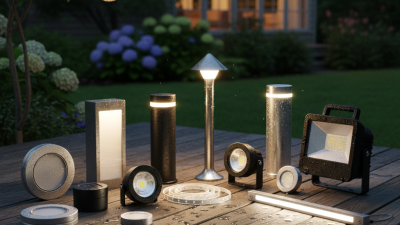
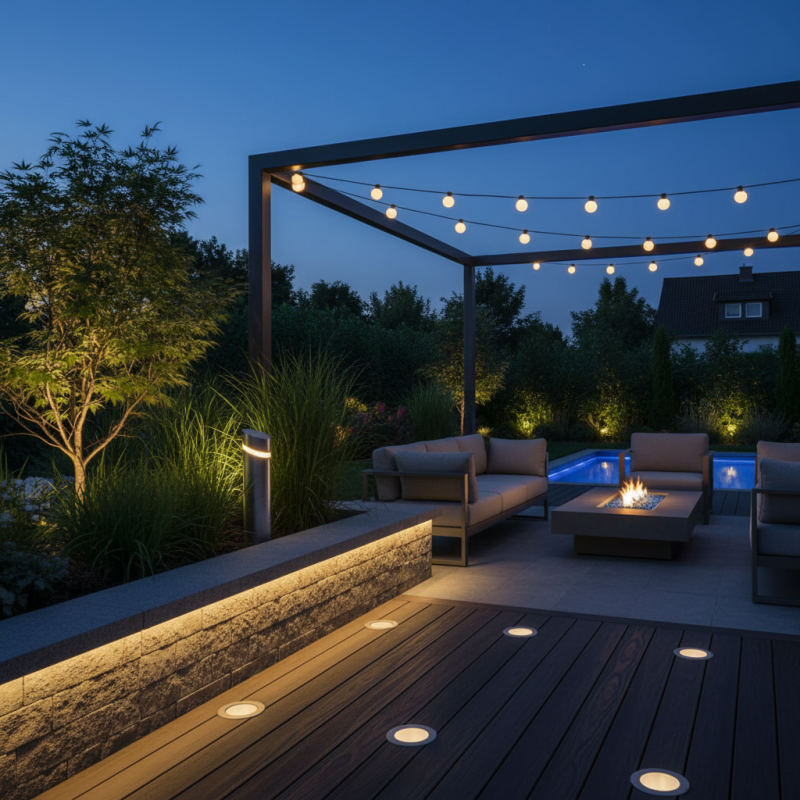
LED waterproof lights are increasingly popular due to their versatility and durability. These lights are specially designed to withstand moisture and water exposure. You often see them in outdoor spaces like gardens, patios, and walkways. Their ability to function in various weather conditions makes them a reliable lighting solution.
One key feature of LED waterproof lights is their energy efficiency. They consume less power while providing bright illumination. This not only reduces electricity bills but also minimizes environmental impact. Additionally, these lights usually have a longer lifespan compared to traditional bulbs. However, it’s essential to check the specifications before installing; not all “waterproof” lights are created equal.
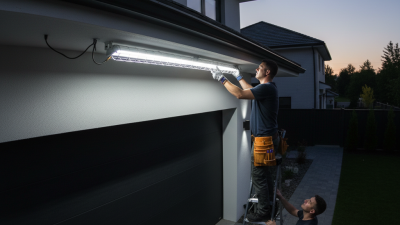
Installation can be straightforward, but sometimes, it requires careful consideration. Improper sealing or inadequate drainage can lead to issues. It’s vital to reflect on your specific lighting needs, such as brightness and coverage. Also, how will these lights fit into your overall outdoor design? Balancing aesthetics and functionality often requires thought, as every decision affects the ambiance of your space.
LED Waterproof Light Functionality and Usage Statistics
The Importance of Waterproof Rating: IP67 vs. IP68 Explained
Waterproof lighting is crucial for various applications, especially in outdoor settings. Understanding the waterproof ratings is essential. The two common ratings are IP67 and IP68. Both provide important levels of protection against water, but they differ in their capabilities.
An IP67 rating means the light can withstand being submerged in water up to one meter for a maximum of 30 minutes. This is sufficient for most outdoor environments. Yet, it falls short in prolonged exposure. If you have projects near bodies of water, consider an IP68 rating. It indicates that the light can be submerged in water deeper than one meter, providing more reliable performance in harsh conditions.
Choosing the right waterproof rating can prevent costly damage. Sometimes, a lower rating seems sufficient, but unexpected weather changes can occur. Being unprepared may lead to malfunction or replacement costs. Analyze your environment carefully before making a decision. Rely on the right waterproof light to ensure safety and longevity in whatever project you undertake.
How LED Waterproof Lights Enhance Safety in Outdoor Environments
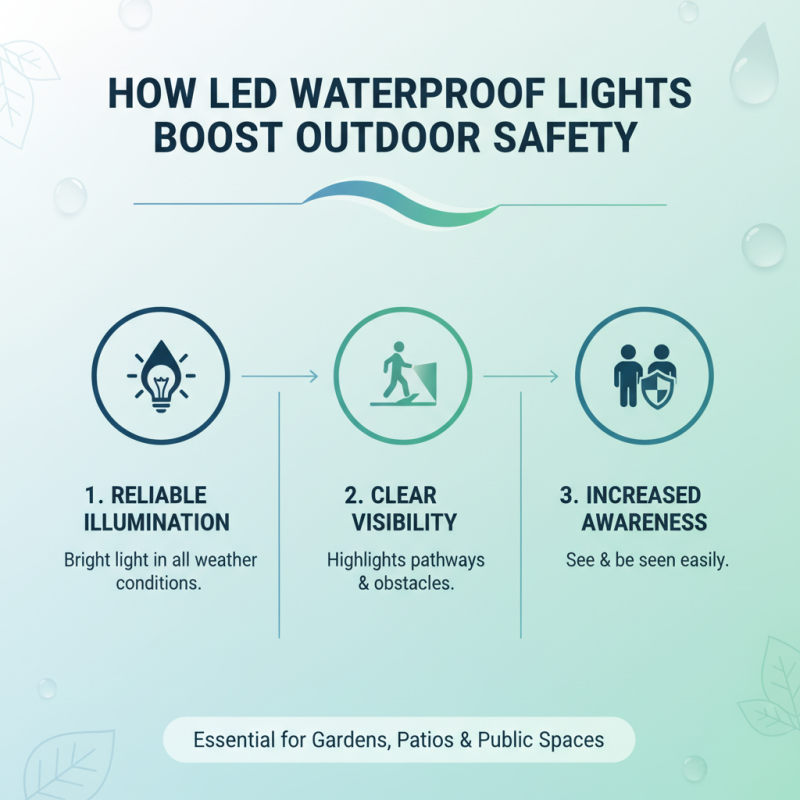
LED waterproof lights are essential for enhancing safety in outdoor environments. They provide bright illumination in areas prone to moisture and rain. This feature is crucial for pathways, gardens, and recreational spaces. When the weather turns bad, visibility becomes a concern. LED waterproof lights ensure that you can see and be seen.
One tip for using these lights effectively is to install them in strategic locations. Place them along walkways or near entry points to your home. This positioning helps reduce the risk of accidents during wet conditions. Use them to highlight potential hazards, such as steps or uneven surfaces.
Another important consideration is the durability of the lights. Choose products that can withstand various weather conditions. Look for lights rated for outdoor use. These tend to have better resistance to water and dust. Regularly check and maintain your lights to ensure they remain operational when needed.
In outdoor settings, light color matters too. Warm white lights create a welcoming atmosphere. On the other hand, cool white lights boost visibility. Experiment with both types to find the right balance for your space. This can influence the overall safety and ambiance of your outdoor environment.
Applications of LED Waterproof Lights in Various Industries
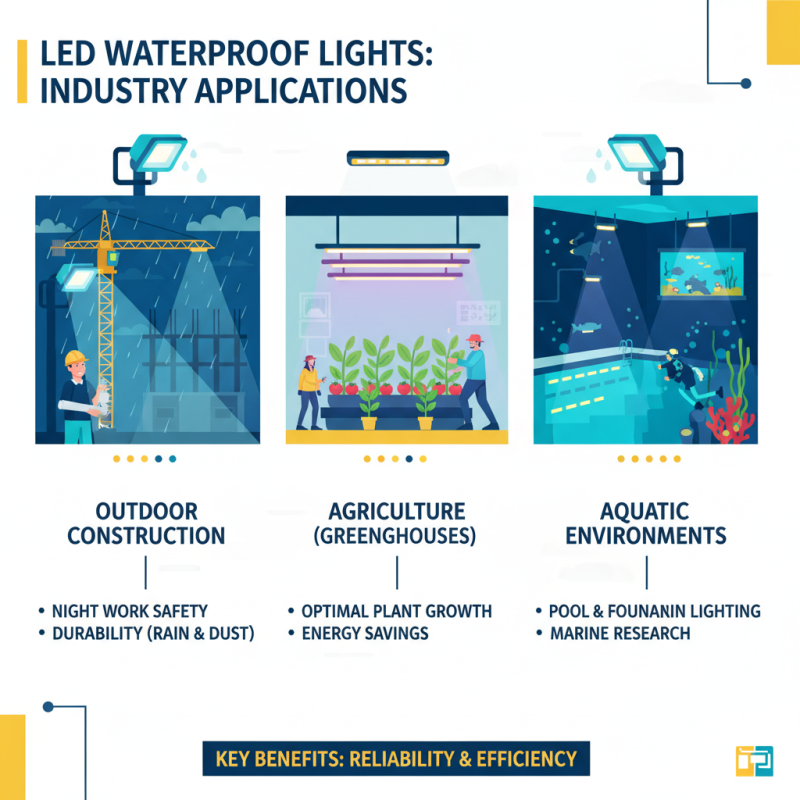
LED waterproof lights have become essential in various industries due to their durability and efficiency. In outdoor construction sites, these lights ensure safety and productivity during nighttime work. They can withstand rain and dust while providing bright illumination. In agriculture, farmers use waterproof LEDs to enhance visibility in greenhouses. These lights create optimal growing conditions while securing energy savings.
The automotive industry also benefits from LED waterproof lights. They are used in vehicle lighting systems that face harsh weather. Reliable lighting improves safety and visibility for drivers. Additionally, in recreational sectors like boating, waterproof lights are crucial. They help navigate waters safely while maintaining energy efficiency. The versatility of these lights makes them suitable for many applications.
While LED waterproof lights are advanced, choosing the right one involves careful consideration. Factors like brightness, energy consumption, and installation ease matter. Some users overlook these details, leading to unsatisfactory results. Reflecting on past mistakes can guide better decisions. Industry professionals recommend evaluating specific needs before making any investments. This careful approach ensures the most effective use of LED waterproof lights.
Cost-Benefit Analysis: LED Waterproof Lights vs. Traditional Lighting Solutions
LED waterproof lights represent a significant advancement in lighting technology. Compared to traditional lighting, they offer better energy efficiency, longer lifespans, and enhanced durability. A recent industry report shows that LED lights consume up to 75% less energy than incandescent bulbs. This is crucial in reducing energy bills and carbon footprints.
When evaluating costs, LED waterproof lights often come with a higher initial price. However, their lifespan can exceed 25,000 hours, greatly reducing replacement costs. In contrast, traditional bulbs may only last about 1,000 hours. Over time, the savings in energy usage and replacement make LEDs a more economical choice. It's essential to look at the total cost of ownership rather than just upfront expenses.
Tips: Always consider the installation environment when selecting lighting. Waterproof ratings matter significantly in high-moisture areas. Choose lights designed for specific outdoor or wet conditions to ensure optimal performance. Additionally, verify the warranty terms of LED products; it can indicate manufacturer confidence in their longevity. Regular assessments of lighting performance may reveal the need for adjustments, ensuring you maximize their efficiency and lifespan.
What is Led Waterproof Light and Why You Need It? - Cost-Benefit Analysis: LED Waterproof Lights vs. Traditional Lighting Solutions
| Lighting Type |
Lifespan (Hours) |
Energy Consumption (W) |
Annual Cost ($) |
Waterproof Rating |
Ideal Use Cases |
| LED Waterproof Light |
50,000 |
15 |
30 |
IP68 |
Outdoor spaces, Pools, Bathrooms |
| Incandescent Light |
1,000 |
60 |
120 |
N/A |
Indoor use only |
| Fluorescent Light |
7,000 |
32 |
60 |
N/A |
Office, Basements |

 +86 18968869621
 CONTACT NUMBER